Source: Family Álbum
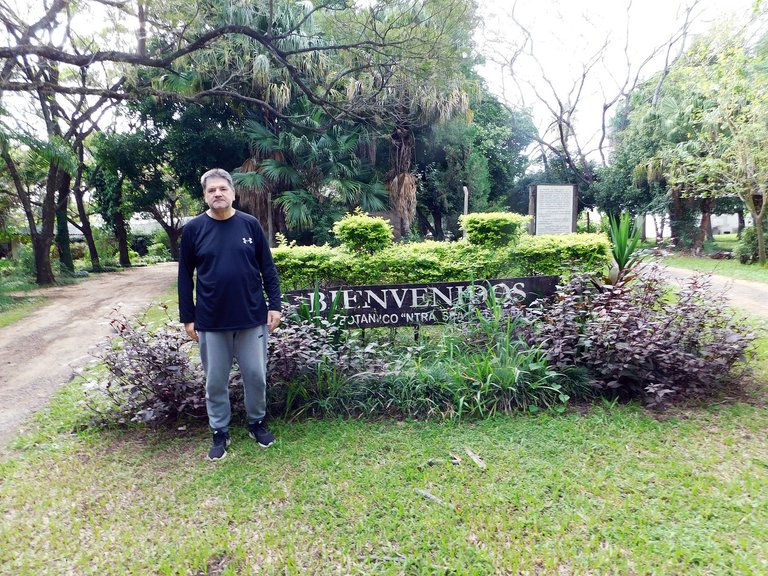
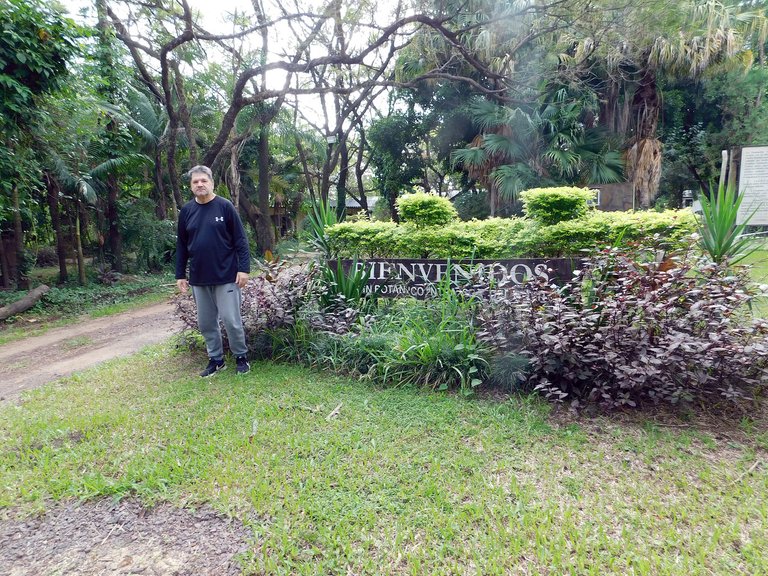
Hola queridos amigos de esta maravillosa ¨Amazingnature¨-¨AN¨-¨Community¨: Realmente sorprendido de cómo pasa el tiempo, cuesta creer que estemos comenzando el cuarto concurso del año. En esta ocasión me quiero sumar al desafío video ¨natural¨: escogí hacer este material audiovisual porque cerca de casa tenemos una hermosa ¨reserva¨: natural que alberga muchas especies muy interesantes por descubrir y compartir con todos los apasionados de la naturaleza. Este precioso ¨botánico¨: es un verdadero patrimonio verde, ubicado en una propiedad de más de cinco hectáreas, de un terreno que originalmente fue de veinticinco, donada por la ¨familia¨-¨Gauna¨: Antes de comenzar con mi presentación me gustaría invitar a mis amigos @saavedraa @virgilio07 @brujita18 @doriangel a participar de cualquiera de los desafíos ¨video¨-¨natural¨: o en el desafío del ¨animal¨: más feo o de apariencia rara. Si escogen este último, no olviden reservar su animal en nuestro canal de ¨discord¨: No creo que haga falta mencionar que todos los que leen este post están invitados a participar y disfrutar de una aventura en la naturaleza.
Hello dear friends of this wonderful ¨Amazingnature¨-¨AN¨-¨Community¨: I'm truly amazed at how time flies; it's hard to believe we're starting the fourth contest of the year. This time I want to join the video challenge ¨natural¨: I chose to make this audiovisual material because near home we have a beautiful ¨reserva¨: natural that is home to many very interesting species to discover and share with all nature lovers. This beautiful "botanical":is a true green treasure, located on a property of more than five hectares, of land that was originally twenty-five, donated by the "family"-"Gauna": Before beginning my presentation, I would like to invite my friends @saavedraa @virgilio07 @brujita18 @doriangel to participate in any of the challenges ¨video¨-¨natural¨: or in the challenge of ¨animal¨: uglier or strange looking. If you choose the latter, don't forget to reserve your animal in our Discord channel: ¨discord¨: I don't think I need to mention that everyone reading this post is invited to participate and enjoy an adventure in nature.

Source: Family Álbum
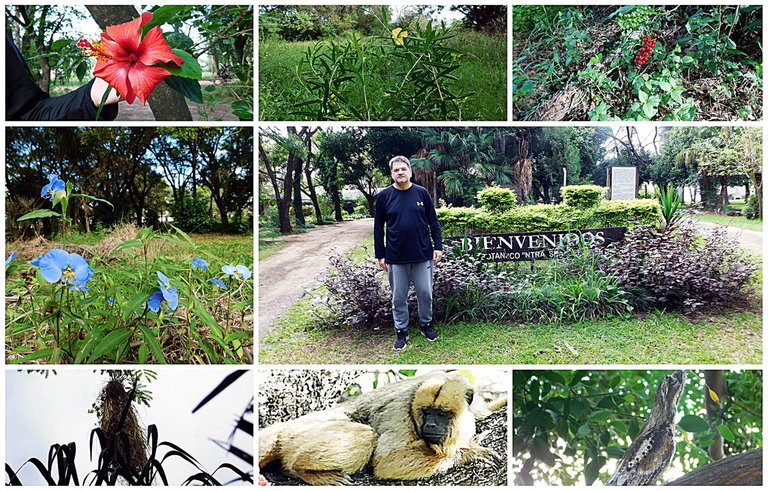
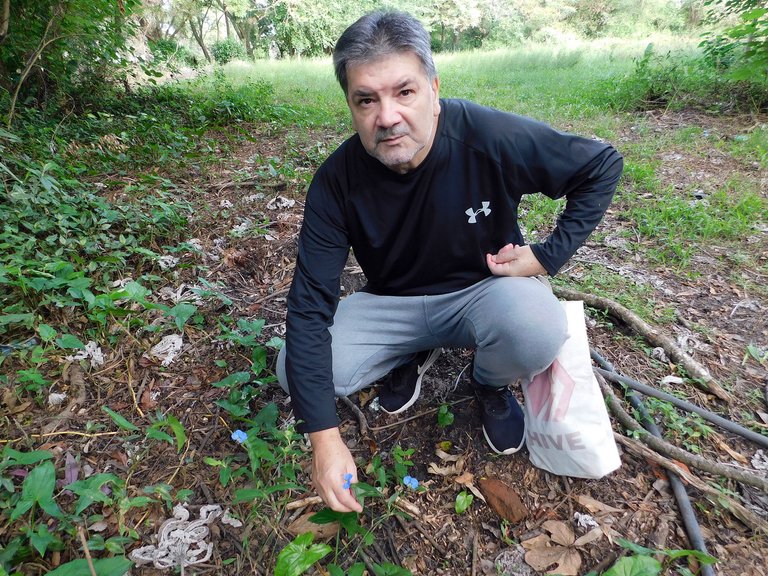
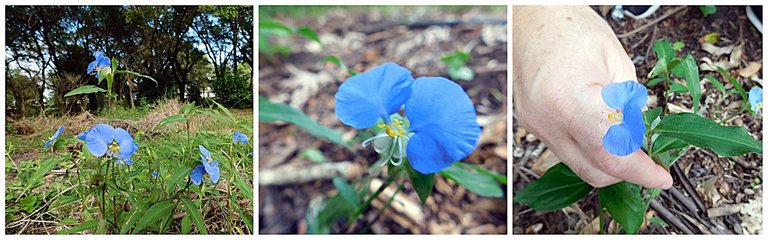
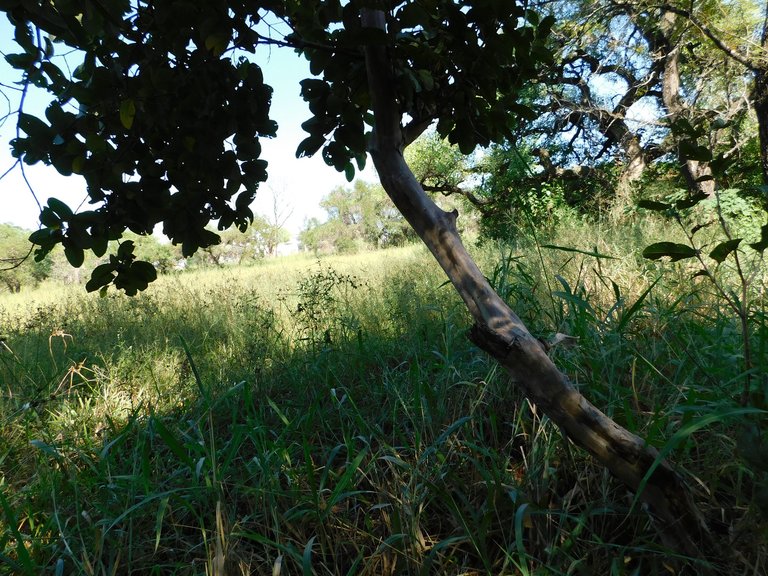
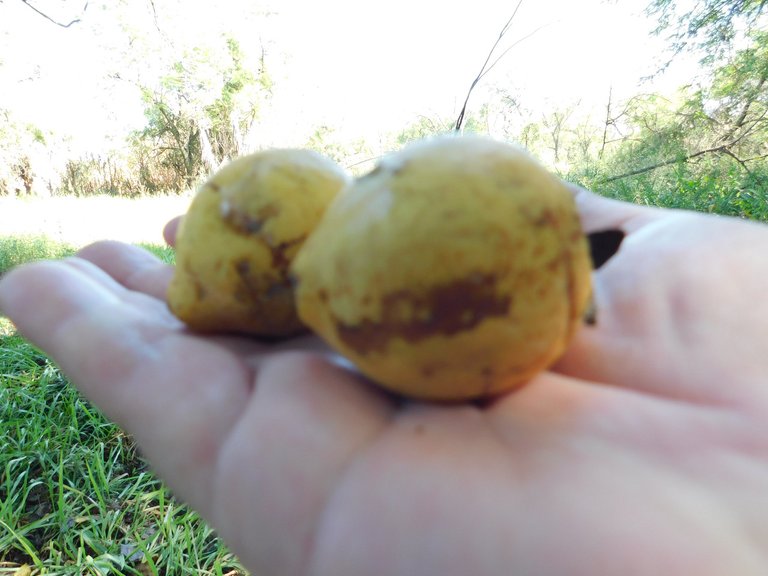
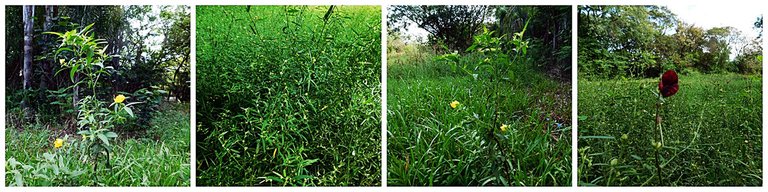
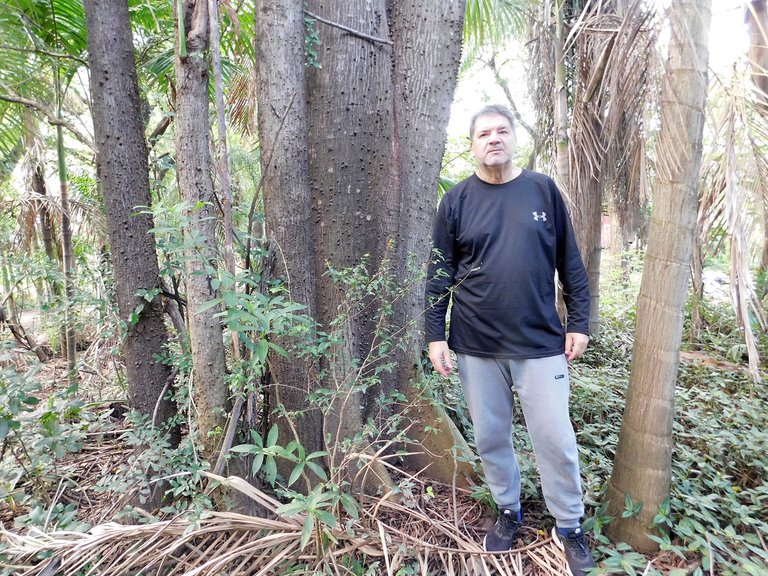
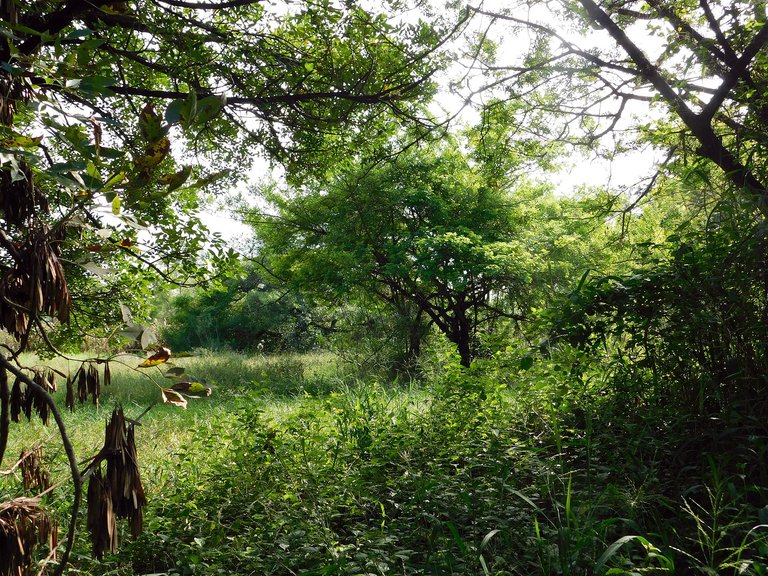
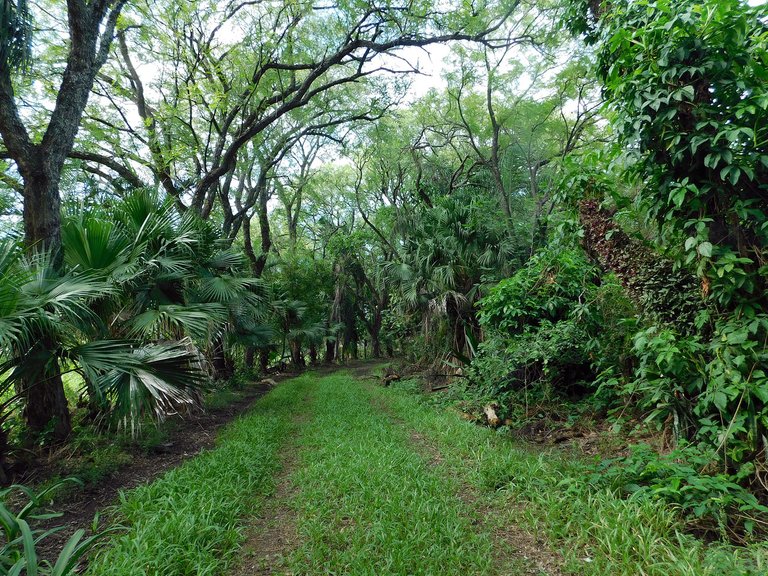
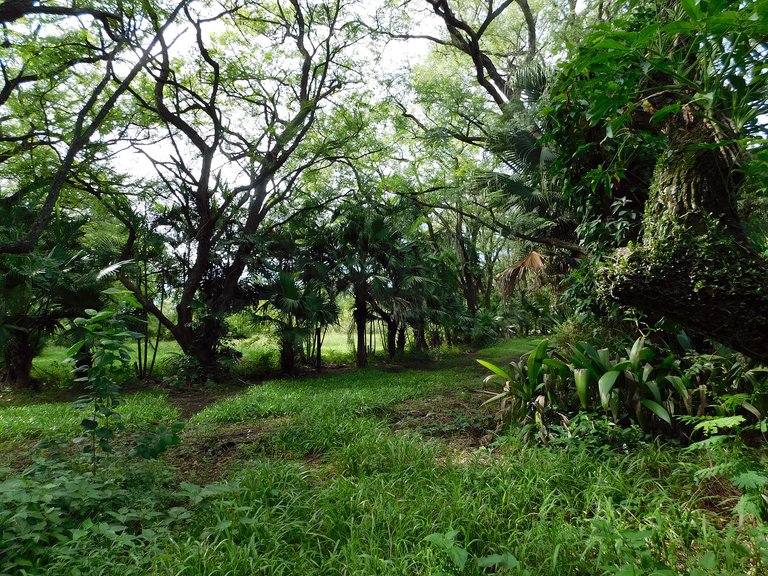
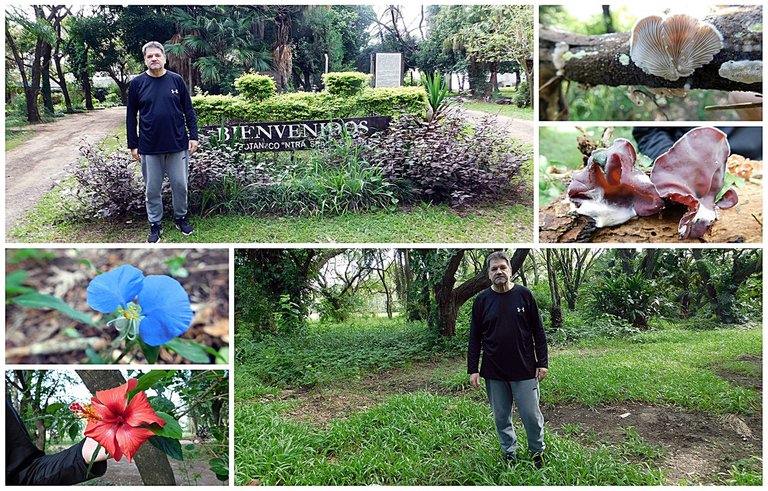
La reserva nunca nos decepciona a la hora de visitarla para hacer nuestros paseos ¨científicos ¨: En esta ocasión hemos sido recibidos por el hermoso trinar de un ave que nos regalaba ¨melodías¨¨angelicales¨; estábamos distraídos con el sonido del canto que por poco paso por alto un árbol ¨guayaba¨: . Esta es una planta que crece en ¨América¨ en los países de clima ¨tropical¨ y ¨subtropical¨, como el que tenemos en mi ciudad. En ¨Corrientes¨ se siembra como árbol frutal para consumir sus frutos; en algunos hogares se preparan dulces y mermeladas; su consumo aporta muchos beneficios para nuestro organismo. Otra belleza no tarda en aparecer en nuestra caminata; se trata de una planta con flores hermosas y muy llamativas. En mi ciudad lo conocemos como flor de ¨Santa¨-¨Lucía¨: son propios de los países de "América", muy importantes para el "ecosistema", dado que sus flores son muy buscadas por las "abejas", quienes polinizan; y, como si fuera poco, tienen poderes curativos. Estar en el interior del bosque ha sido muy gratificante; dimos con grandes árboles que intimidan por su tamaño. Algo curioso fue hallar plantas que se están desarrollando bajo las sombras de los grandes árboles, como el árbol de ¨pindo¨: Esta es una especie de "palmera" originaria de nuestro ¨litoral¨¨argentino¨; también se los puede hallar en los países vecinos que limitan con ¨Argentina¨. Su uso es principalmente ornamental, y sus pequeños frutos son comestibles y sirven para preparar dulces. En la pradera tuvimos la oportunidad de dar con plantas silvestres de muchos usos, como la planta que se conoce vulgarmente como ¨pichana¨: más conocida por ¨escubilla¨: uno de los usos que se le da en el campo es fabricar escoba para barrer el patio. En idioma guaraní se lo conoce con el nombre de ¨Typychat㨠qué significa escoba dura. Las flores ¨silvestre¨: nunca faltan en este hermoso lugar; ellas siempre están embelleciendo la pradera.
The reserve never disappoints when we visit for our walks Scientists. On this occasion, we were greeted by the beautiful trill of a bird that gifted us with angelic melodies; we were so distracted by the sound of its song that we almost missed a tree. Guava. This is a plant that grows in the Americas in countries with tropical and subtropical climates, like the one we have in my city. In Corrientes, it's planted as a fruit tree for consumption; in some homes, sweets and jams are made from it; its consumption provides many health benefits. Another beauty soon appears on our walk: a plant with beautiful and striking flowers. In my city, we know it as the Santa Lucia flower. "Santa"-"Lucía": These flowers are native to the Americas and are very important to the ecosystem, as they are highly sought after by bees, which pollinate them; and, as if that weren't enough, they have healing properties. Being inside the forest has been very rewarding; we came across large trees that are intimidating in their size. One curious thing was finding plants growing in the shade of large trees, such as the "pindo" tree. This is a type of palm native to the Argentine coast; it can also be found in neighboring countries bordering Argentina. Its use is primarily ornamental, and its small fruits are edible and used to make sweets. In the prairie, we had the opportunity to find wild plants with many uses, such as the plant commonly known as "pichana": better known as "escubilla": one of its uses in the countryside is to make brooms for sweeping the patio. In the Guarani language, it is known as "Typychatã", which means hard broom. Wildflowers "silvestre": are never lacking in this beautiful place; They are always beautifying the meadow.

Source: Family Álbum
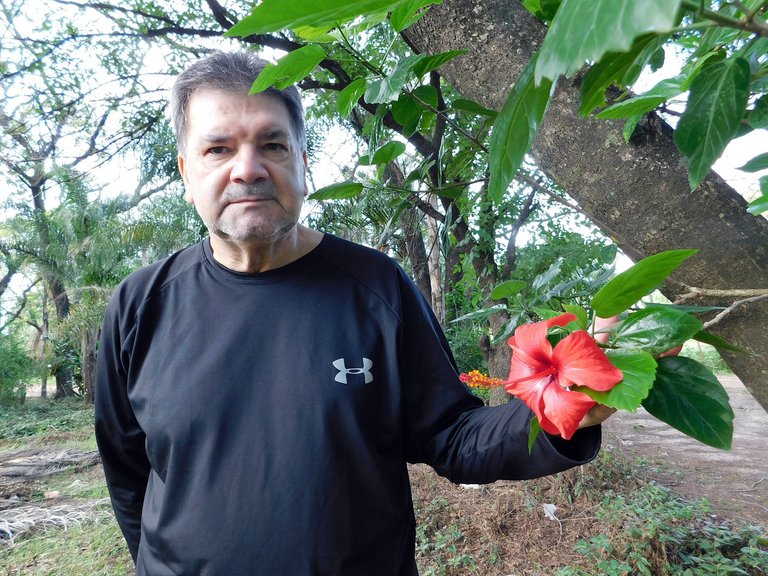
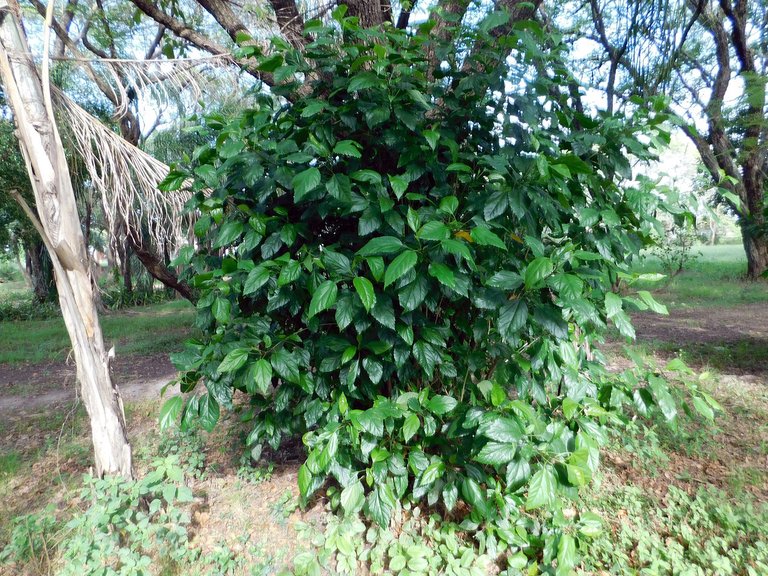
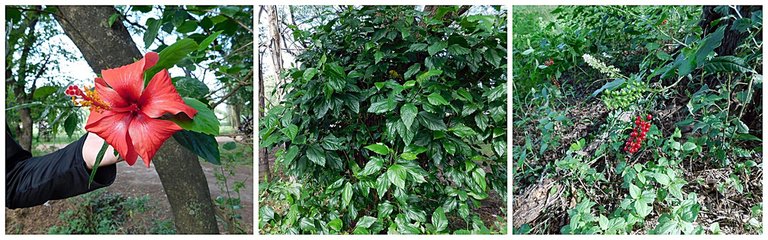
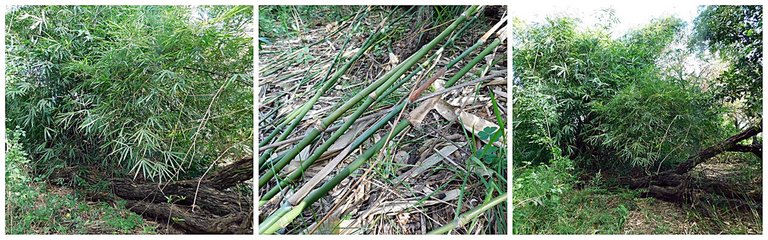
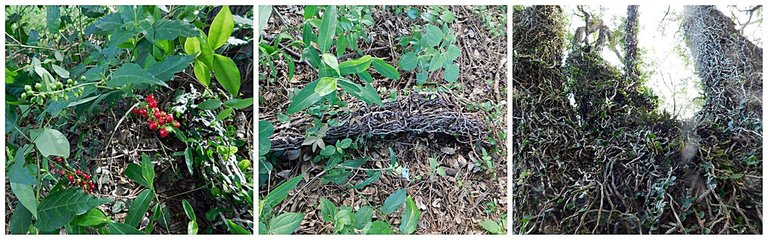
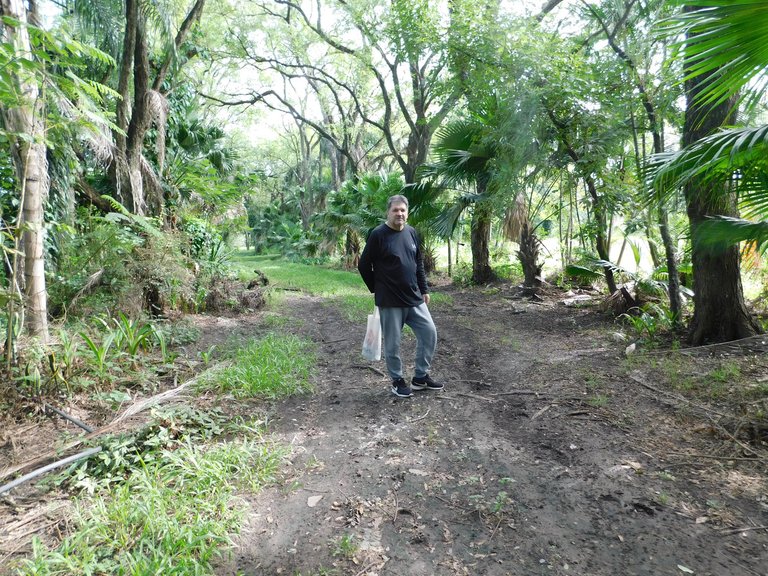
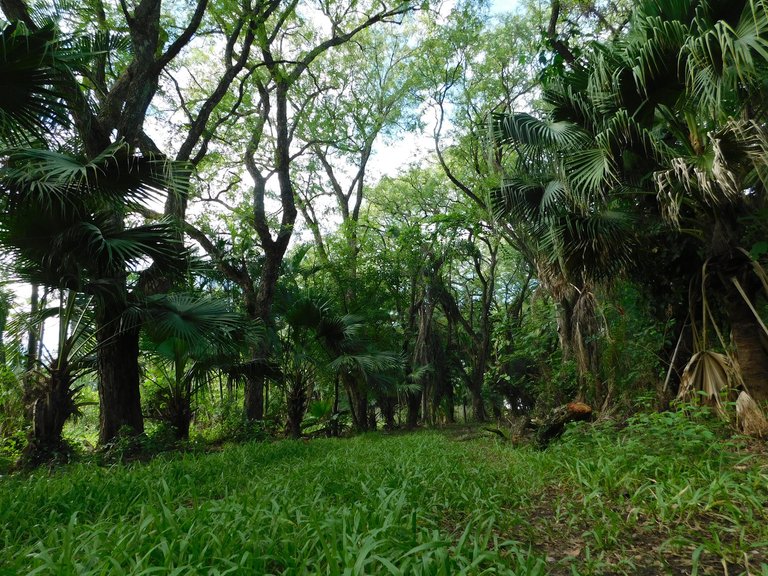
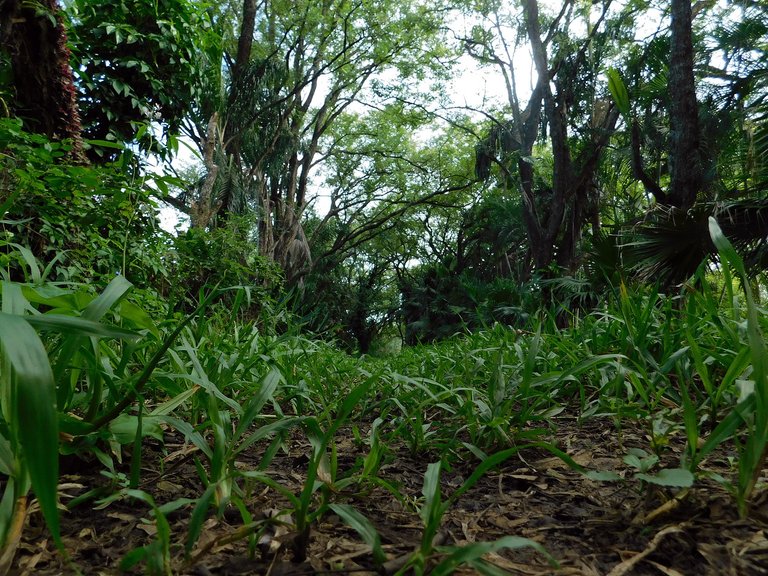
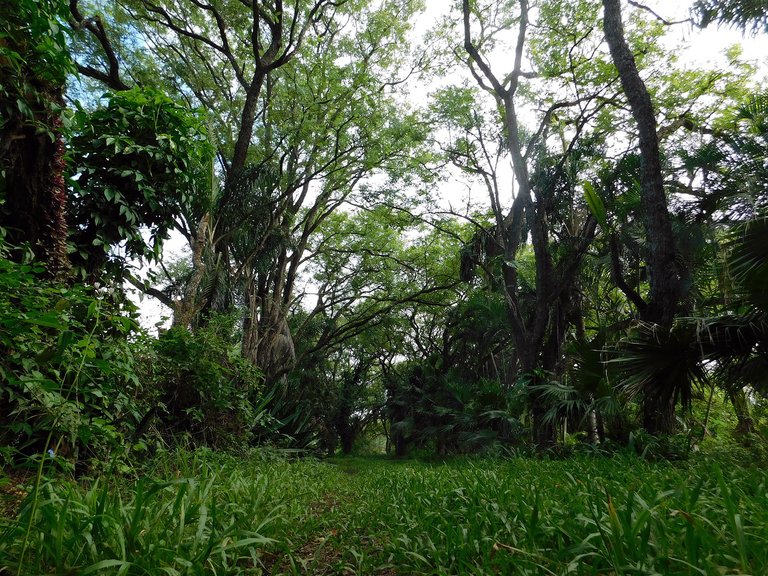
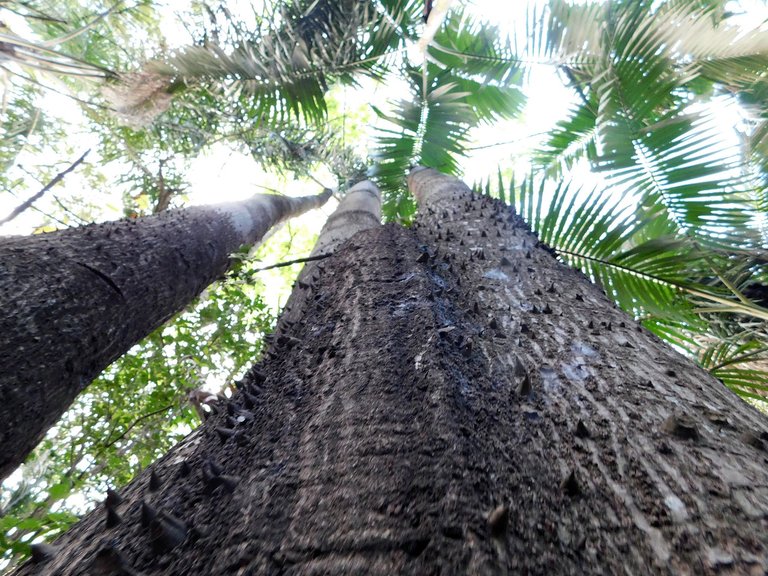
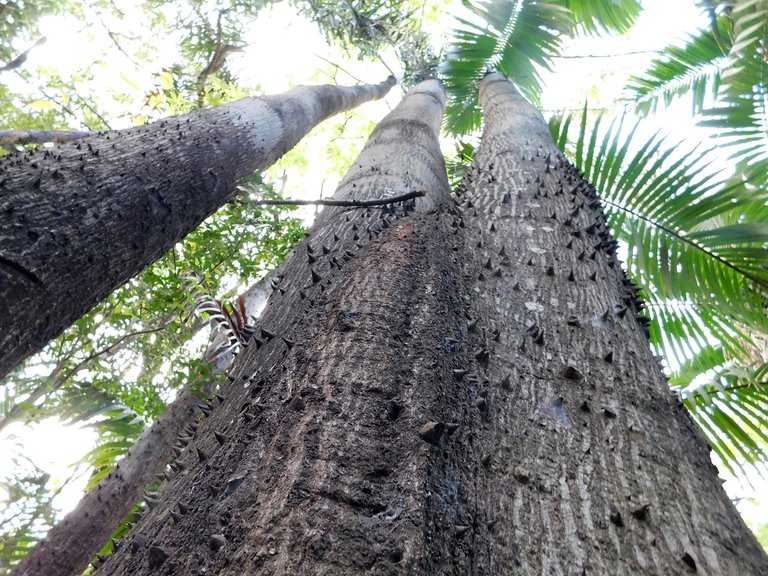
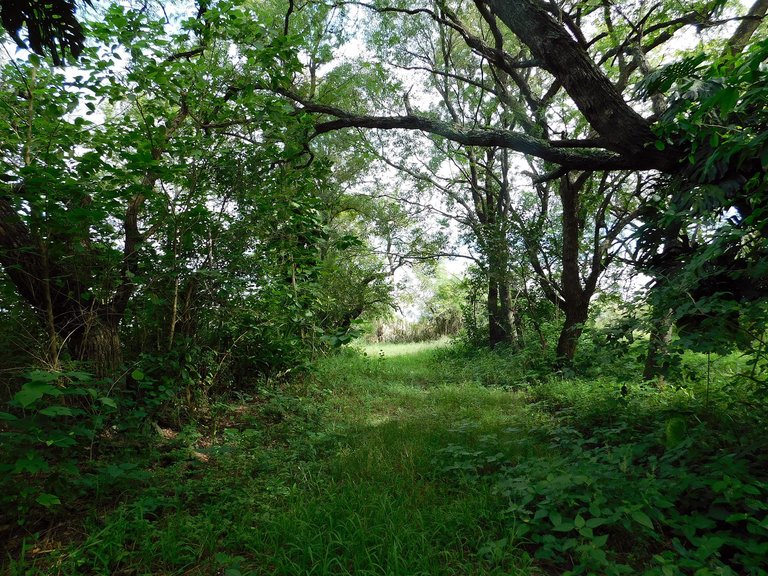
Lo interesante de descubrir especies de plantas aquí en la reserva es que la mayoría de ellas crecieron de manera silvestre. La planta de ¨cayena¨: es una de esas que se consiguen en un vivero, pero estas plantas en particular son silvestres. Estas especies son originarias de ¨Asia¨, pero la verdad es que se han adaptado en muchas partes del mundo; por lo general, se siembran para ornamentar y dar color a un espacio del jardín. Como dato curioso, es una planta comestible y muy buscada por sus poderes curativos. Visitando uno de los senderos naturales que nos lleva al interior del predio, dimos con un árbol magnífico llamado ¨ñangapiré¨: Originarios de ¨América¨-del-¨Sur¨: crecen de manera silvestre y tienen un fruto delicioso que se puede comer como fruta o hacer diferentes preparados, entre ellos mermeladas, jugos y bebidas alcohólicas. Entre los descubrimientos está un gran árbol de muchos años, que alberga en sus ramas una planta ¨parasita¨: que se nutre y se hidrata del propio árbol. No quise entrar en mucho detalle para identificar la especie, ya que son más de cuatro mil especies con diferentes tipos de especificaciones. Otro hermoso hallazgo es una planta que, al no tener tallo, necesita de otro árbol para desarrollarse; esta planta es conocida como ¨potus¨: tiene sus orígenes en el ¨Sudeste¨-¨Asiático¨: pero, como pueden ver, se ha adaptado en muchos países del mundo. Son cultivadas como planta de interior, pero en las condiciones adecuadas pueden permanecer en el exterior. Gracias al tallo y las ramas del árbol, la planta se puede desarrollar muchos metros. Este es un sendero que contiene muchas especies de plantas, y una que crece de manera silvestre es esta que en mi ciudad se la conoce como sangre de ¨toro¨: en algunos países del mundo es considerada como planta invasora. Generalmente, crecen en países donde el clima que predomine sea cálido, cultivados como planta de interior o exterior para ornamentar un espacio. Un espacio que trato de visitar las veces que vengo a la reserva es la zona del tacuaral; este es un lugar donde una planta de ¨tacuara¨: tuvo un gran desarrollo. Esta especie en particular es propia de esta zona del mundo; su madera tiene muchos usos, entre ellos muebles livianos y como cielos rasos de cabañas. Como dato curioso, puedo decir que un mito popular afirma que la madera de la tacuara ahuyenta a las serpientes, pero no hay nada científico que avale esta creencia popular. Un árbol que me gusta mucho visitar las veces que llego hasta esta zona de la reserva es el llamado ¨Tala¨: es originario de "América", y su madera se emplea para construcciones pequeñas. Una planta importante en el ecosistema, dado que muchas especies de aves anidan entre sus ramas y se alimentan de los pequeños frutos. Lamentablemente, no estamos en época de frutos para poder enseñárselos; ellos son comestibles y muy deliciosos. Hay que tener mucho cuidado al tomar sus ramas, dado que cuenta con defensas filosas, espinas que pueden dañar las manos al manipularlas.
What's interesting about discovering plant species here in the reserve is that most of them grew wild. The hibiscus plant:"hibiscus": is one of those plants you can find in a nursery, but these particular plants are wild. These species are native to Asia, but the truth is they have adapted to many parts of the world; they are usually planted to decorate and add color to a garden area. As a curious fact, it is an edible plant and highly sought after for its medicinal properties. Visiting one of the nature trails that leads into the interior of the property, we came across a magnificent tree called: ñangapiré: Native to ¨South America: They grow wild and have a delicious fruit that can be eaten as is or used to make various preparations, including jams, juices, and alcoholic beverages. Among the discoveries is a large, ancient tree that shelters a parasitic plant in its branches. "parasitic": It feeds and hydrates itself. I didn't want to go into too much detail to identify the species, since there are more than four thousand species with different characteristics. Another beautiful find is a plant that, lacking a stem, needs another tree to grow; This plant is known as "pothos":it originates in "Southeast"-"Asia":but, as you can see, it has adapted to many countries around the world. They are cultivated as houseplants, but under the right conditions they can thrive outdoors. Thanks to the tree-like stem and branches, the plant can grow to many meters in height. This is a trail that contains many plant species, and one that grows wild is this one, which in my city is known as "blood of the bull.""bull":In some countries of the world, it is considered an invasive plant. Generally, they grow in countries with predominantly warm climates, cultivated as indoor or outdoor plants to decorate a space. One area I try to visit whenever I come to the reserve is the bamboo grove; this is a place where a "bacuara":plant has thrived. This particular species is native to this part of the world; its wood has many uses, including lightweight furniture and as ceilings for cabins. As a curious fact, I can say that a popular myth claims that tacuara wood repels snakes, but there is no scientific evidence to support this belief. One tree I particularly enjoy visiting when I come to this area of the reserve is the one called: "Tala": It is native to the Americas, and its wood is used for small constructions. It's an important plant in the ecosystem, as many bird species nest among its branches and feed on its small fruits. Unfortunately, it's not currently fruit season, so we can't show them to you; they are edible and very delicious. You have to be very careful when handling its branches, as they have sharp thorns that can injure your hands.
Source: Family Álbum
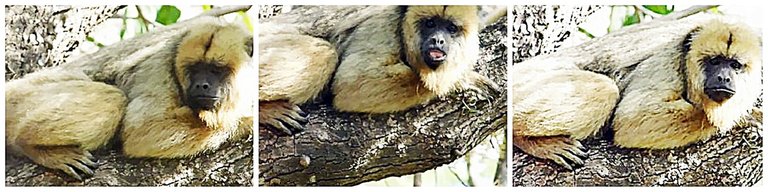
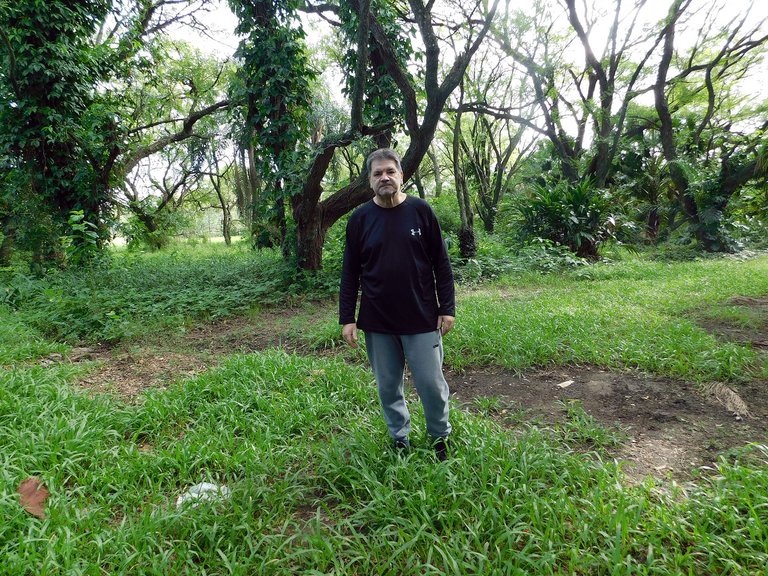
Hace más de diez años que visito semanalmente esta preciosa ¨reserva¨: es uno de mis lugares favoritos para conectar con la vida ¨silvestre¨: Este es un espacio natural muy especial, tanto que tiene su propia mascota que lo representa; se trata de un hermoso ejemplar del género de ¨monos¨ ¨aulladores¨: estos ejemplares viven desde el sur de ¨México¨: hasta la zona del noreste de ¨Argentina¨: Esta especie de monos permite reconocer el género por el color de su pelaje, siendo las hembras de color dorado claro. El nombre de esta hermosa hembra es ¨yvoty¨: que en idioma ¨guaraní¨ significa flor. ¨Yvoty¨ vive en la reserva hace muchos años, y es muy querida por todas las personas que visitan este natural paraíso. Quiero hacer una aclaración, el video de la preciosa mona no lo hemos hecho en esta oportunidad, dado que fue imposible hallarla, y en el video la llamo con el nombre de ¨Moroty¨, es evidente que estaba equivocado. Ahora comprendo por qué toda la semana que visité la reserva y la llamaba para poder filmarla no aparecía. Es una ¨monita¨: encantadora, pero tiene su carácter; cuando se enoja, no para de aullar con su particular sonido que lo caracteriza. Como en esta oportunidad no la he podido hallar para filmarla no cuento con fotografías de ella, por eso me vi en la obligación de hacer estas capturas del video
I've been visiting this beautiful reserve weekly for over ten years. Reserve It's one of my favorite places to connect with life. Wildlife This is a very special natural space, so much so that it has its own mascot to represent it; This is a beautiful example of the howler monkey genus. "howler monkeys":These monkeys live from southern "Mexico": to northeastern "Argentina": This species of monkey can be identified by the color of its fur, with the females being light golden. The name of this beautiful female monkey is "Yvoty": which means flower in the Guarani language. "Yvoty" has lived in the reserve for many years and is much loved by everyone who visits this natural paradise. I want to clarify that we didn't film the beautiful monkey this time, as it was impossible to find her, and in the video I call her "Moroty," which is clearly a mistake. Now I understand why she didn't appear the entire week I visited the reserve and called out to try to film her. She's a "monita": charming little monkey, but she has a temper; when she gets angry, she howls nonstop with her characteristic sound. Since I couldn't find her to film her this time, I don't have any photos of her, so I had to take these screenshots from the video.

Source: Family Álbum
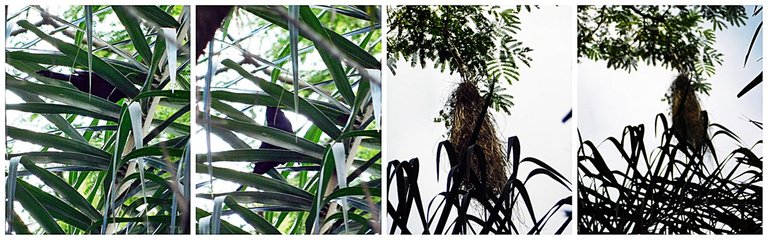
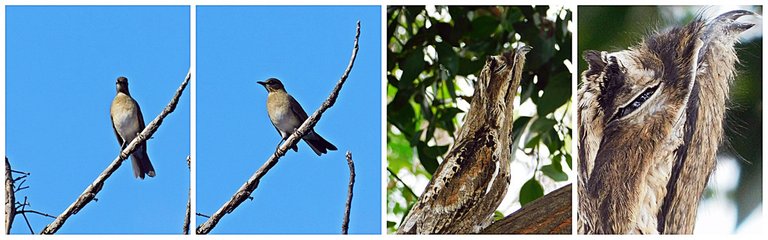
Otro de los senderos que me encanta tomar es uno que nos lleva a otra parte del interior de la reserva; algo que siempre llama mi atención al caminar por aquí son las diferentes especies de aves que podemos ver. Un descubrimiento que pudimos hacer durante nuestra visita a la reserva ha sido un hermoso ¨nido¨: de aves. La especie de ave que construye este tipo de nido son los ¨boyeros¨-¨negros¨: Estas aves son originarias de ¨América¨-del-¨Sur¨: y son reconocidas por ser los constructores de nidos colgantes Hace tiempo que veo este tipo de nido aquí en la reserva, pero es la primera vez que podemos filmar al ave junto a su nido. Otra especie de ave que vemos seguido por aquí son los ¨zorzales¨-¨chalchaleros¨: También son originarios de ¨America¨-del- ¨sur¨. Estas aves son bastante curiosas, siempre están atentas a su alrededor; parte de su nombre está basado en su precioso y fuerte canto que termina por despertarte en las mañanas muy temprano. El ave que no tenía en mente ver y mucho menos filmar es uno que pocas veces se lo ha visto. Este tipo de ave puede calificar como un animal feo o raro de ver; se trata de un ejemplar conocido con el nombre de ¨pájaro¨-¨fantasma¨: asociado a su rara figura y su particular ¨canto¨: que al oírlos en las noches suena bastante tenebroso. Si deseas experimentarlos, puedes ingresar al enlace. Otro dato interesante sobre esta ave son sus diversas ¨leyendas¨: algunas de ellas asociadas a lo místico y lo esotérico; en el "folklor" ¨guaraní¨ se lo asocia a la angustia y a los malos augurios. Fue realmente genial finalmente poder filmar y fotografiar a esta peculiar ave.
Another trail I love to take leads to another part of the reserve; something that always catches my eye when walking here are the different species of birds we can see. One discovery we made during our visit to the reserve was a beautiful bird's nest. The bird species that builds this type of nest is the "black caciques":. These birds are native to "South America": and are known for building hanging nests. I've seen this type of nest here in the reserve for a while, but this is the first time we've been able to film the bird next to its nest. Another bird species we often see here are the "thrushes"-"roosters": They are also native to South America. These birds are quite curious, always alert to their surroundings; part of their name is based on their beautiful and loud song that ends up waking you up very early in the morning. The bird I hadn't planned on seeing, much less filming, is one that has rarely been seen. This type of bird could be considered an ugly or rare animal to see; This is a species known as the "bird"-"ghost":, associated with its unusual appearance and its distinctive "song": which sounds quite eerie when heard at night. If you'd like to experience them, you can follow the link. Another interesting fact about this bird is its diverse "legends":some of them associated with the mystical and the esoteric; in Guarani folklore, it is associated with anguish and bad omens. It was truly great to finally be able to film and photograph this peculiar bird.

Source: Family Álbum
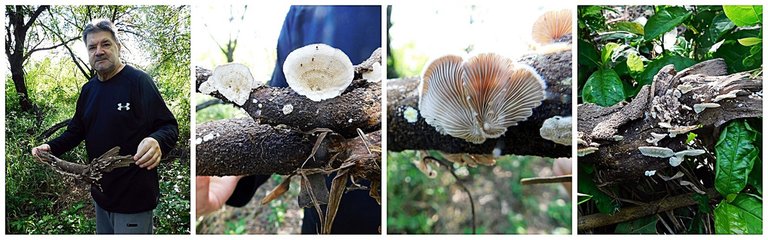
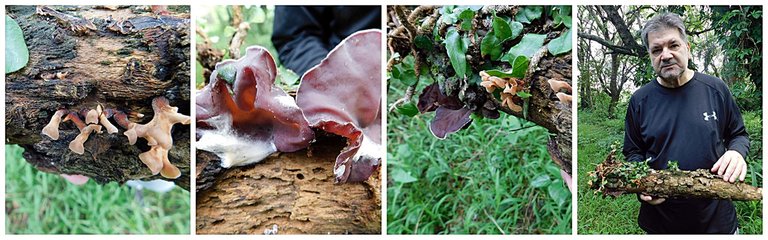
Casi llegando al final del post, tomamos otro sendero que nos lleva a una bifurcación del terreno del predio; estas zonas son las más sombrías y, en consecuencia, más húmedas, el terreno ideal para el desarrollo de los hongos. Si son de los que regularmente visitan mis posts, saben que soy un apasionado de los hongos, y es parte de la razón por la que visito seguido la reserva. Un hongo que en los últimos meses encontramos seguido es esta especie llamada ¨Trametes¨-¨versicolor¨: un hongo muy común en muchas partes del mundo. No son hongos que se puedan utilizar para preparar una exquisita comida con ellos, pero sí son muy buscados por sus atributos medicinales. Otro hongo que hallamos en esta zona de la bifurcación del terreno es estos, que son muy buscados por su exquisitez; cocineros de todo el mundo lo buscan para incluir en sus recetas. Como pueden leer, son comestibles y son conocidos con el nombre de ¨oreja¨-de-¨Judas¨: son hongos tan comunes que existen en gran parte del mundo. Cuando el hongo es reciente, se puede reconocer por su color marrón claro; a medida que va envejeciendo, se torna en un color azulado oscuro. Lo interesante de este hongo es que se puede consumir aun cuando es viejo y de apariencia rugosa; eso es señal de que falta una hidratación, y una vez hidratados, se puede utilizar para preparar un delicioso menú con ellos. Espero que este paseo científico que hemos realizado en la reserva resulte de su agrado. Si desean conocer más detalles de las especies que les enseño en el video, pueden consultar en los enlaces que pueden encontrar al final del post.
Almost at the end of the post, we take another path that leads us to a fork in the terrain of the property; these areas are the shadiest and, consequently, the most humid, the ideal terrain for the development of fungi. If you are one of those who regularly visit my posts, you know that I am passionate about fungi, and it is part of the reason why I visit the reserve frequently. One fungus that we have found frequently in recent months is this species called: Trametes versicolor a very common fungus in many parts of the world. They are not fungi that can be used to prepare an exquisite meal, but they are highly sought after for their medicinal properties. Another fungus that we found in this area of the fork in the terrain are these, which are highly sought after for their exquisite flavor; Chefs around the world seek them out to include in their recipes. As you can read, they are edible and are known as "Judas's ear":They are such common fungi that they exist in much of the world. When the fungus is fresh, it can be recognized by its light brown color; as it ages, it turns a dark bluish color. The interesting thing about this fungus is that it can be eaten even when it is old and has a rough appearance; this is a sign that it needs hydration, and once hydrated, it can be used to prepare a delicious meal. I hope you enjoy this scientific outing we've taken in the reserve. If you would like to learn more details about the species I show you in the video, you can consult the links at the end of the post.
Source: Family Álbum
▶️ 3Speak
This post has been shared on Reddit through the HivePosh initiative.
Amigo!!! me quito el sombrero, lo tendran dificil el resto de concursantes incluyendome hahahaha. Excelente video demasiado informativo y hermoso, felicidades 👏
el pajaro bruja es preciosooooooo que suerte tuviste con esa toma! tambien en el fundo habia muchos pitangus, en venezuela le dicen cristofue y en brasil bem-te-vi amo el canto de ellos aunque son ruidosos porque solo estan calladitos cuando duermen 😂 y que gran historia lo de la mona, que triste que pasara por el incendio pero esperemos que viva mucho tiempo y las personas respeten su hogar porque sin duda esa reserva es de los animalitos 😍
Your reply is upvoted by @topcomment; a manual curation service that rewards meaningful and engaging comments.
Hola, querida amiga @quiubi, ¿cómo estás?
El pájaro bruja ha sido todo un hallazgo; nos encantó que hayamos podido filmarlo. Es verdad, de fondo se oía esa ave que mencionas; aquí le llaman pitogue, son aves muy ruidosas y todo el día están trinando.
Yboty es muy querida por todos los que visitan regularmente, aunque en algunas oportunidades entran personas solo para hacer daño; por suerte, no pasa seguido, pero desde que se robaron los cercos perimetrales, el lugar es más vulnerable.
Muchas gracias por este emotivo comentario.
Que tengas una tarde hermosa.
You can check out this post and your own profile on the map. Be part of the Worldmappin Community and join our Discord Channel to get in touch with other travelers, ask questions or just be updated on our latest features.
Congratulations, your post has been added to the TravelFeed Map! 🎉🥳🌴
Did you know you have your own profile map?
And every post has their own map too!
Want to have your post on the map too?
- Go to TravelFeed Map
- Click the create pin button
- Drag the marker to where your post should be. Zoom in if needed or use the search bar (top right).
- Copy and paste the generated code in your post (any Hive frontend)
- Or login with Hive Keychain or Hivesigner and click "create post" to post to Hive directly from TravelFeed
- Congrats, your post is now on the map!
PS: You can import your previous Pinmapple posts to the TravelFeed map.Opt Out
Thank you so much, dear friends @travelfeed
#Posh compartido en mis redes sociales
Gracias amigo por la invitación al nuevo concurso. Fue un placer leer tu muy completo post, ¡Excelente! aparte de tu video, con el hermoso lugar que nos muestras, gracias por compartirlo!, saludos bendecidos!
Gracias a ti querida amiga @brujita18 eres muy gentil
Espero que este teniendo una hermosa mañana
El sonido de las aves, las plantas, la bella moroty, qué hermosa reserva natural. Qué maravilloso paseo, excelente video, te felicito. Gran trabajo. Gracias por la invitación, quería hacer un video, pero he tenido dificultades para salir de casa. Muchas gracias, ya veo que Corrientes no solo tiene calles hermosas para caminar, sino una increíble naturaleza para disfrutar.
Hola, querida amiga @doriangel, buenas tardes.
Qué pena que se esté complicando salir de tu casa; espero que pronto puedas hacerlo.
En realidad, Corrientes tiene muchos de estos espacios naturales, pero para llegar a ellos tengo que viajar, y en la actualidad se me hace imposible costear los viajes, pero tengo fe en que las cosas van a mejorar y ahí sí poder visitar estos naturales lugares que tenemos en el interior.
Muchas gracias por apreciar y apoyar mi post.
Que tengas una tarde hermosa
Thank you very much, dear friends @hive-174680.
chucutaca? asi ? jeje que locura se hace una escaba con todo ahora primera vez que veo una asi! mismo sistema de preservacion que Portugal, los caminos que son protegidos no se utiliza asfalto, piedras nada!! se dejan como caminerias naturales solo arena, bebida nangapiri? mamita los nombres jejej, ARBOLTERAPIA? algo nuevo para aprender... La sangre de toro ya la habia visto en unos sitios le llaman mataculebras uff, tambien conocia la cala como otra planta tipo mas ornamental ese de arbol no lo conocia.Al finnn conoci a morotiii jajaja que hermoso, incrieble como es arisca con las personas pero a la vez sabe que no son una amenaza y por eso prefirio quedarse alli, quizas es ya vieja porque extranamente cortaria su ciclo de reproduccion y "celos", En ornitologia lo llamamo nido de tipo cesta, no vi el ave que lo fabrico, alla se ve Icterus nigrogularis? ellos tienden hacer esta? y creo que el Thraupis episcopus tambie....

No me jodas jejeje viste uno, ya te lo decia son dificiles de ver en ciertos lugares de Venezuela decian que eran brujas en la noche 0.0 hemroso los hongos!!! tengo que felicitarte por tu video, se vio mucho que te apasiono lo que hiciste y la naturaleza, sin duda este es uno de tus post favorito en la comunidad, si las recompensas no levantan lo premiamos de otra forma USTED TRANQUILO recibira el apoyo que merece por este gran trabajo!!! exitos
Esas son las cosas que me encantan de la reserva, que todo es natural, estilo campo.
La arbolterapia es una actividad en crecimiento; cada vez son más las personas que la hacen. La verdad, no sé si hay respaldo científico. de su efectividad
Sí son varias las especies de aves que construyen sus nidos estilo cesta; aquí hay un mito que dice que las serpientes se instalan dentro de ellas para atrapar a las aves. Existen anécdotas de personas que al parecer fueron mordidas por meter las manos en el interior del nido.
Aquí también lo consideran aves brujas por su tenebroso canto y por el color de sus ojos al caer la noche.
Vi otras especies de hongos. Pero como no los conocía, no hice video de ellos, solo hice algunas tomas.
Muchas gracias por apreciar mi post y por el gran apoyo que siempre me brindas; eres muy gentil. Es una gran motivación.
Que tengas una tarde hermosa.
Es verdad lo de las serpiente y las cesta, en realidad hay un ave que sabe de eso y crea su nido con agujeros trampas Ploceus cucullatus, ve en internet su nido 😅, por eso no es un mito es cierto.
How wonderful that you made this beautiful video; you can really appreciate how vast and beautiful the reserve is. The species you found are amazing. I loved the monkey and the ghost bird.
Beautiful photographs, excellent video.
It was great making this video; I loved sharing this natural beauty with nature lovers.
The monkey and the bird are the icing on the cake.
Thank you so much.
Hermoso vídeo, hay mucho por conocer y explorar, espero que la mona viva muchos años, no debió ser fácil lo del incendio.
Buen dia querida amiga @belkyscabrera
Este lugar es encantador; hay muchas especies de plantas hermosas por descubrir.
Por lo que estuve investigando, esta especie de monos aulladores vive entre 15 y 20 años. La verdad, no sé bien cuántos años tiene esta mona, pero nosotros la conocemos hace más de diez años. Tenemos que disfrutarla cada día.
Muchas gracias por esta grata visita.
Maravillosa entrada @jlufer , todo lo que muestras es fabuloso y bien explicado.
Suerte en el concurso @jlufer
Hola, querida amiga @mercmarg.
Ha sido un placer poder compartir este hermoso espacio natural que tenemos.
Muchas gracias por apreciar y apoyar mi post.
Que tengas un hermoso fin de semana.
What a brilliant video you’ve shared with us, taking us on a tour of that beautiful nature reserve. I absolutely love the plants, flowers, animals, the scenery, and the images you’ve captured. Thank you so much, @jlufer , for sharing all this information. Have a lovely afternoon,
Excelente video que nos traes para llevarnos a visitar esa hermosa reserva, las plantas, flores los animales, el paisajismo, así como las imágenes que lograste captar me encantan, muchas gracias estimado @ por compartir toda esa información, que tengas una linda tarde,
!LADY
!PIZZA
View or trade
LOHtokens.@cautiva-30, you successfully shared 0.1000 LOH with @jlufer and you earned 0.1000 LOH as tips. (7/18 calls)
Use !LADY command to share LOH! More details available in this post.
Hola, querida amiga @cautiva-30, gracias a ti por acompañarme en esta caminata virtual por la hermosa reserva que tenemos aquí; pudimos ver hermosas especies de aves y plantas.
Espero que estés pasando un hermoso fin de semana.
Hello, dear friend @cautiva-30, thank you for joining me on this virtual walk through our beautiful reserve; we were able to see some wonderful species of birds and plants.
I hope you're having a wonderful weekend.