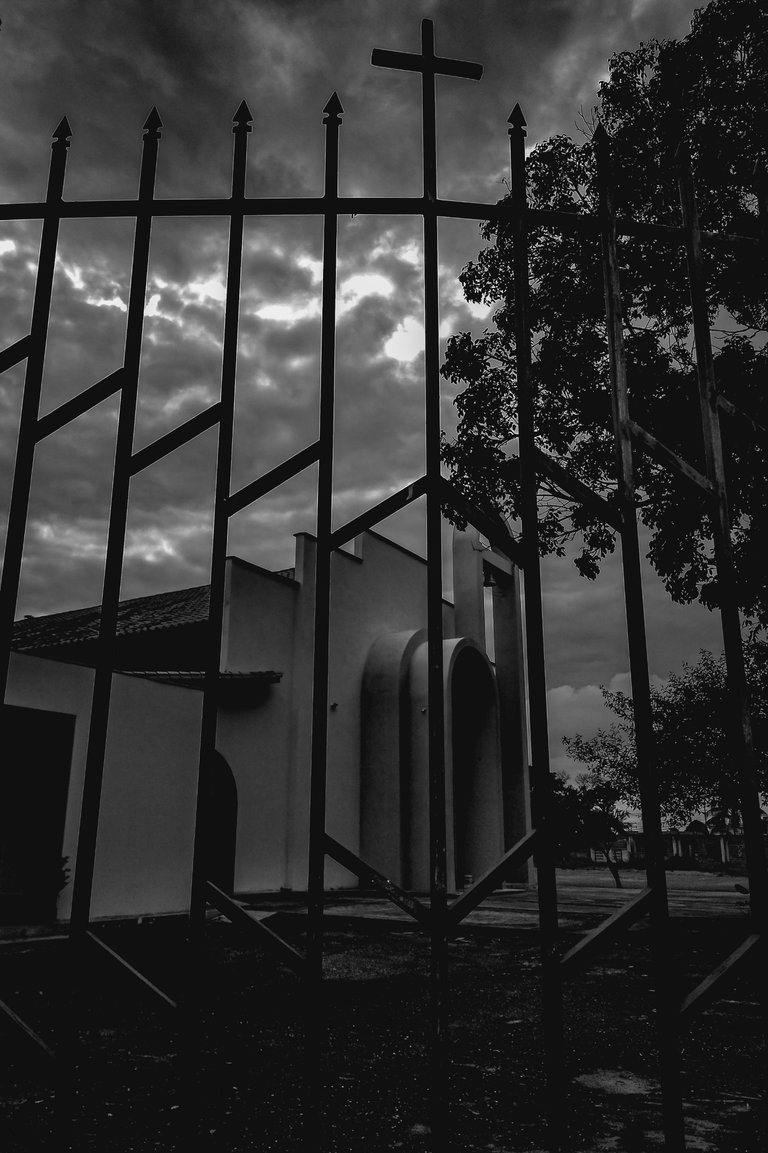
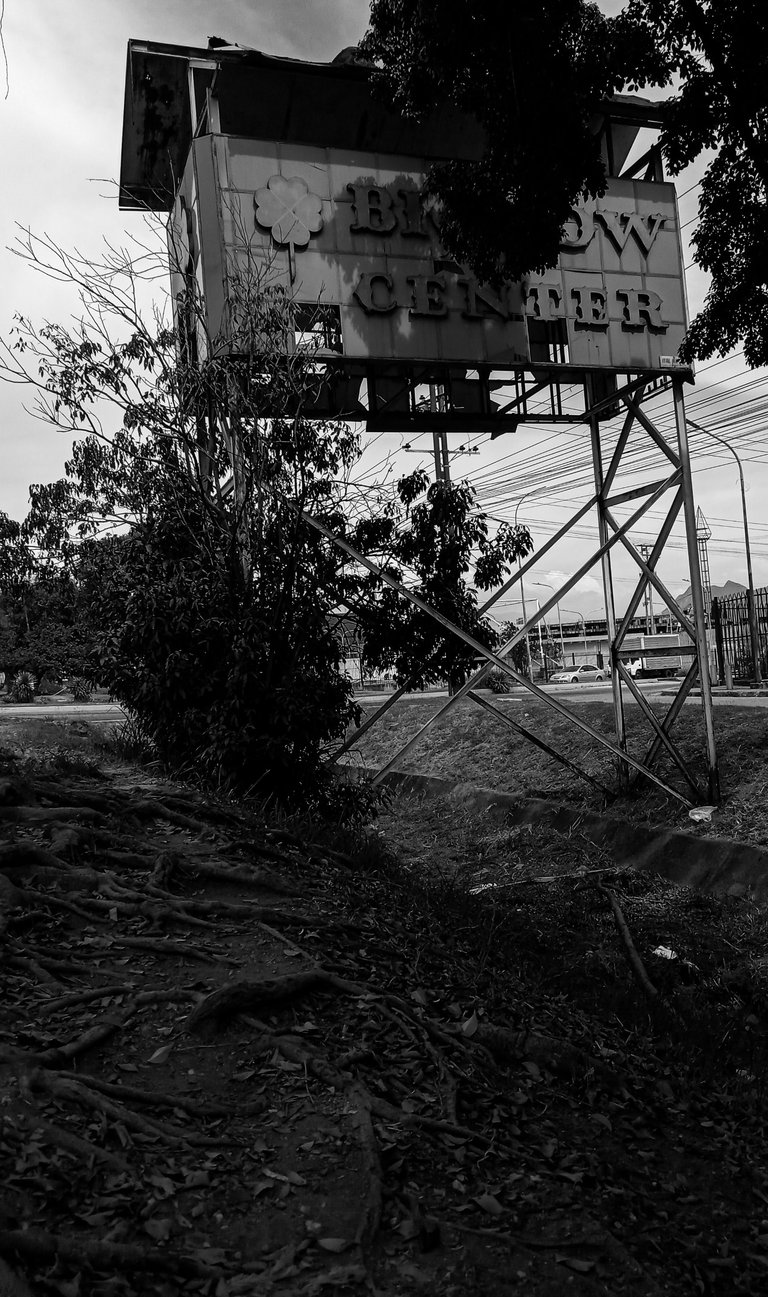
Rarely do I think about how the things I loved when I was younger still shape the way I walk through my city, but today that thought cornered me before I could dodge it. I was moving around town with my camera slung over my shoulder in that careless way that probably looks intentional to people who pretend they do not care about appearances. There was nothing heroic happening in the streets, nothing poetic either, but something about the light and the cracked sidewalks reminded me of the first time I felt a rush from punk rock. Not the clean polished version that people consume when they want to cosplay rebellion, but the raw kind, the type that sounded like an honest punch to the monotony of every day. I kept thinking about how that energy stayed inside me even when everything else around me got older, quieter or more acceptable. And maybe that is why I have always liked shooting in black and white. It strips things of their excuses and leaves behind only what is true, even if that truth is rusted, crooked, or uncomfortably close.
For a long part of my life I tried to reconcile the idea of being a grown woman with the unapologetic intensity that The Misfits represented for me. There was a noise in that music that felt like a mirror of what my city carries under its surface, a mix of chaos and survival that nobody manages to disguise completely. When I began taking photographs, especially the ones that capture the ordinary routines of this place, I noticed how the same energy tried to bleed into the frames whether I wanted it or not. Maybe that is why the images that stay with me the longest are not the ones where people smile or pose but the ones where someone sits on a cracked bench thinking their own thoughts or walks with their head down in that strange choreography everyone performs without noticing. Those moments feel punk in the most human way, not because they scream rebellion but because they confess that life never matches the neatly packaged narratives we are sold. It is funny how my camera became the tool that helped me understand my own relationship with the untidy parts of my identity, the ones I tried to hide in order to seem more rational or more respectable.
Certain days I look at my photo folders and notice how many of them sit in a grayscale that feels almost abrasive. It is not nostalgia. It is not an attempt to imitate old film either. It is something else, something closer to standing in front of a mirror without adjusting the light to look softer. Black and white forces me to accept the city for what it is, and it forces me to accept myself the same way. I think about this connection more lately, especially when I ride through the streets and catch myself cataloging textures with my eyes before I even reach for the camera. A broken window, a mural half erased by the sun, a woman carrying her groceries with a tired determination that reminds me of a song I used to blast in my headphones when I was fifteen. In some odd way, this is the most honest homage I could give The Misfits, not copying their imagery or their attitude literally, but allowing that spirit of unfiltered presence to shape how I notice the world. I do not need skulls or theatrics. I just need sincerity and the courage to avoid beautifying things that were never meant to be neat.
Lately I have been thinking about how people talk about punk as if it were only a soundtrack for anger or disruption. Maybe they forget that it was also a way of reclaiming reality, of refusing the pressure to tidy every thought or every feeling. When I photograph random moments in my city, I find pieces of that same reclamation. A man leaning on a bus stop with the weight of his entire week in his posture. Kids running barefoot on concrete that has seen better days. The faint outline of an abandoned shop with graffiti no one bothered to erase. None of it is dramatic. None of it tries to impress. It simply exists, and somehow that makes it more meaningful to me than the photographs that follow traditional ideas of beauty. I guess this is what happens when a genre that was never meant to be gentle becomes part of your internal vocabulary without asking for permission. The Misfits were loud, sure, but they also had a clarity that many people overlooked. They said something like this is what we are and you will either take it or leave it. My city feels exactly like that, and maybe that is why I love it so stubbornly.
There is something liberating about admitting that inspiration can come from places that polite society would not consider proper sources for seriousness or creativity. I never tried to intellectualize the way punk rock shaped my way of observing, but when I reflect on it calmly, it becomes obvious. The honesty, the roughness, the absence of polish, all of that became part of the way I understand people. When I ride my motorcycle and let the wind push the noise out of my thoughts, I feel the same raw truth that I felt back then, and I carry it with me into the moments I choose to photograph. I guess the real influence is not in the aesthetics but in the refusal to lie about what life looks like. It is about accepting the imperfect and the inconsistent as legitimate, even beautiful. And maybe that is why this post exists. Because sometimes the best way to honor what shaped you is simply to acknowledge it without ceremony, without disguises, without worrying if someone else thinks it is too strange or too simple. If there is something The Misfits taught me before I even understood it, it is that authenticity does not need permission. Neither do the stories we carry inside us.
All photographs and content used in this post are my own. Therefore, they have been used under my permission and are my property.