
Architectural Style: Controlled Fusion
The building does not adhere to a single, pure style, but rather to a harmonious integration of traditional Cuban and contemporary elements.
Colonial and Vernacular Roots: Cuban colonial architecture is evoked through key elements:
The Portico: A wide exterior gallery, supported by columns or archways, reminiscent of the porticoes of colonial mansions. This transitional space between the exterior and interior is a typical feature of Caribbean architecture, designed to capture breezes and provide shade.
High Ceilings and Large Windows: To promote cross-ventilation and natural light, a smart response to the tropical climate.
Traditional Materials: The use of precious Cuban woods (mahogany, cedar) in floors, beams, and furniture, and possibly details of exposed brick or coral stone, which connect with the local building tradition.
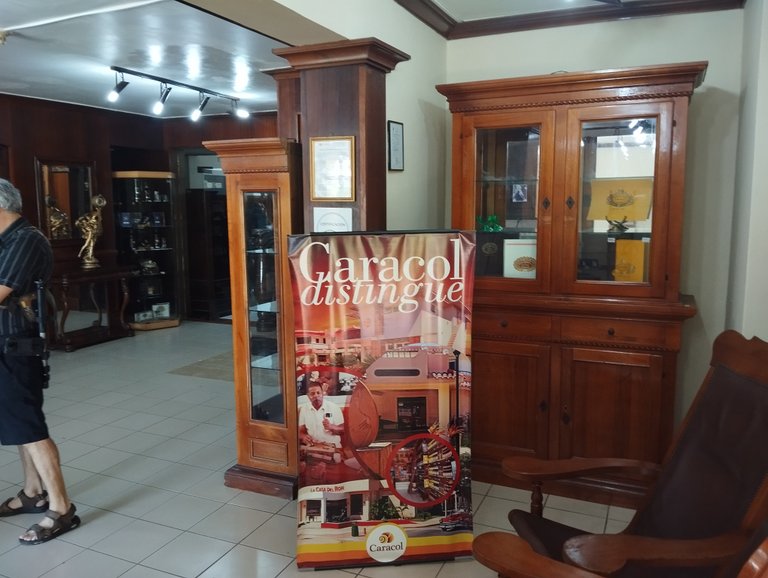
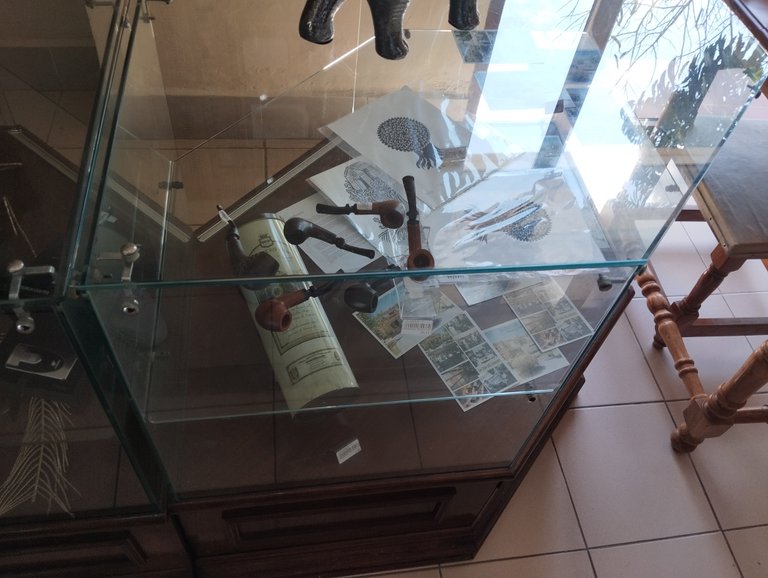
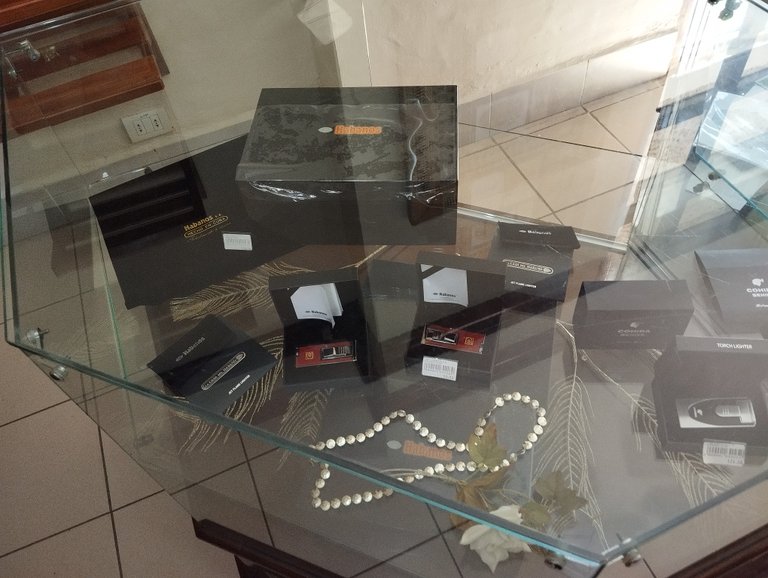
Modern Language and Contemporary: These elements combine with a clean and modern aesthetic:
Pure Lines and Defined Volumes: The building's overall composition tends toward geometric simplicity, avoiding excessive ornamentation.
Fluid Spatial Integration: The interiors are typically open, visually connecting the exhibition, sales, and tasting areas.
Large Glazed Surfaces: These allow for ample natural light and create transparency, inviting pedestrians from the street.
The result is a "contemporary style with Cuban roots," where modernity doesn't erase, but rather frames and enhances, the warmth and character of traditional materials and solutions.

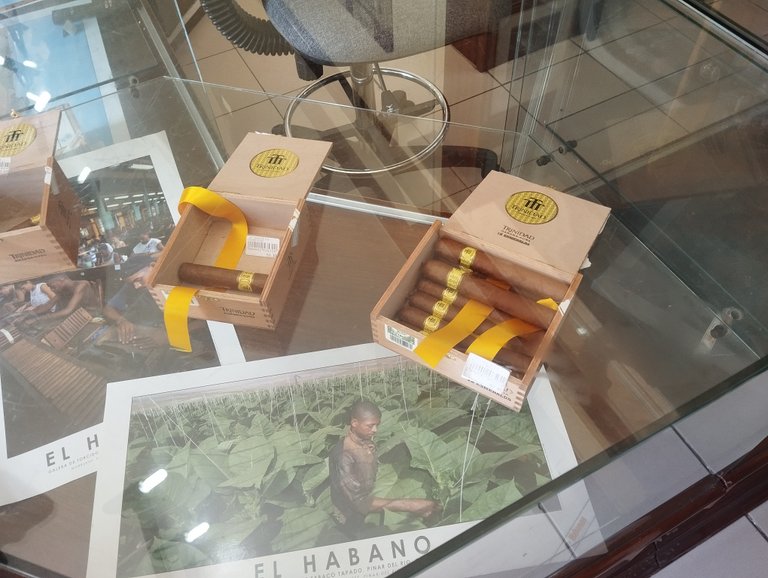
Architectural Beauty: A Multisensory Experience
The beauty of the place is not merely visual; it is atmospheric and sensory, designed to envelop the visitor.
Functional Beauty: The architecture perfectly fulfills its purpose. The spaces are organized to guide the visitor through a logical journey: from admiring the cigars and bottles as works of art, to intimate or social tastings. Natural ventilation and a cool temperature are essential for preserving the cigars and ensuring customer comfort, demonstrating an intrinsic beauty in its functionality.
Spatial and Luminous Beauty (Venustas): Light plays a leading role. Sunlight filtered through large windows combines with warm, focused artificial lighting, highlighting the cigar displays (illuminated like jewels) and the rum bottles, creating an atmosphere of intimacy and solemnity. The predominant tones are earthy tones, ochres, and browns from the woods and tobaccos, contrasted with the white walls or the color of an accent, reflecting Cuba's natural palette.
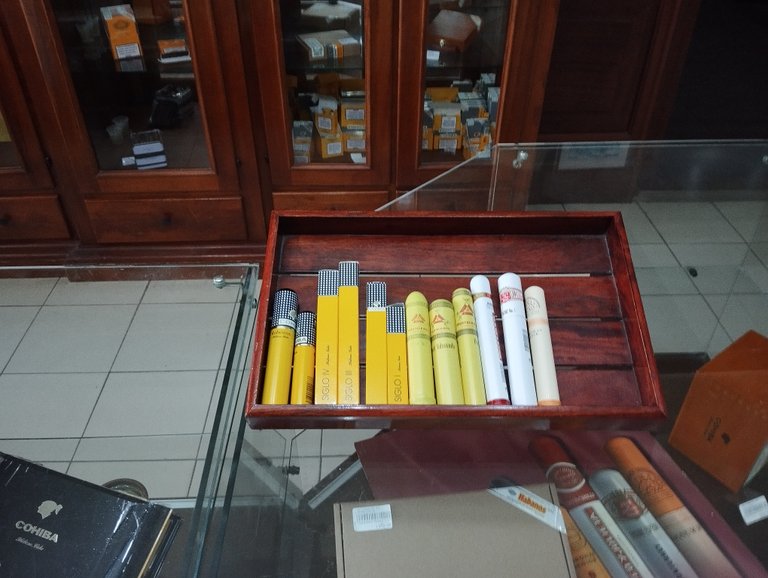


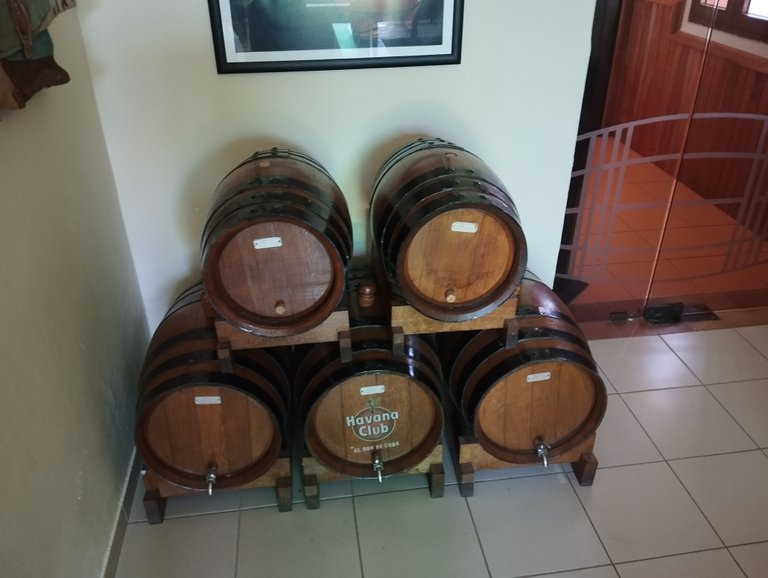
Material and Tactile Beauty: The richness of texture is fundamental. The polished smoothness of the wood on the counters, the light coolness of the stone on the floor, the softness of the leather on the tasting chairs, and, of course, the silky texture of the tobacco leaves and the cool glass of the rum barrels. The architecture acts as the perfect stage to showcase these noble materials.
Symbolic Beauty: The greatest aesthetic achievement is how the space tells a story. Every architectural and design element serves to exalt the ritual and artistry behind the cigar and the rum. It is not a warehouse; it is a secular temple dedicated to two national icons. The beauty lies in this ability to evoke tradition, craftsmanship, patience (in the aging process), and pleasure.
The Interior as an Architectural Continuum
The interior design is a coherent extension of the Facade:
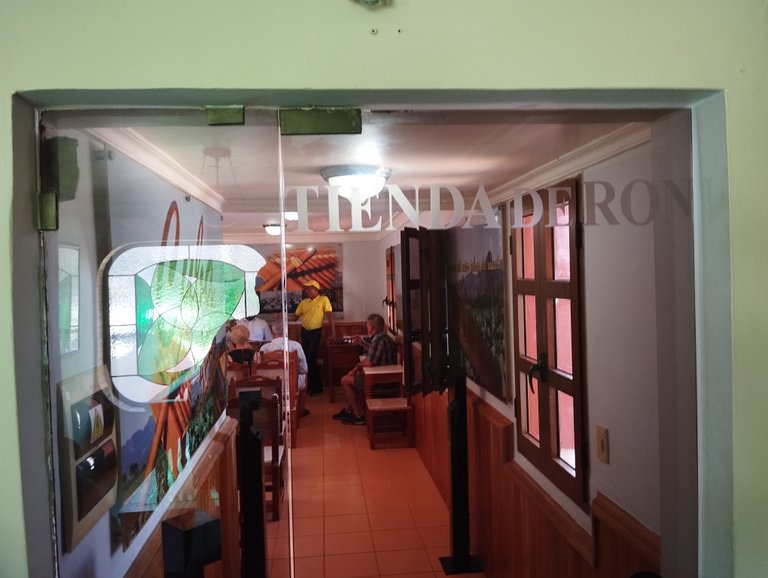
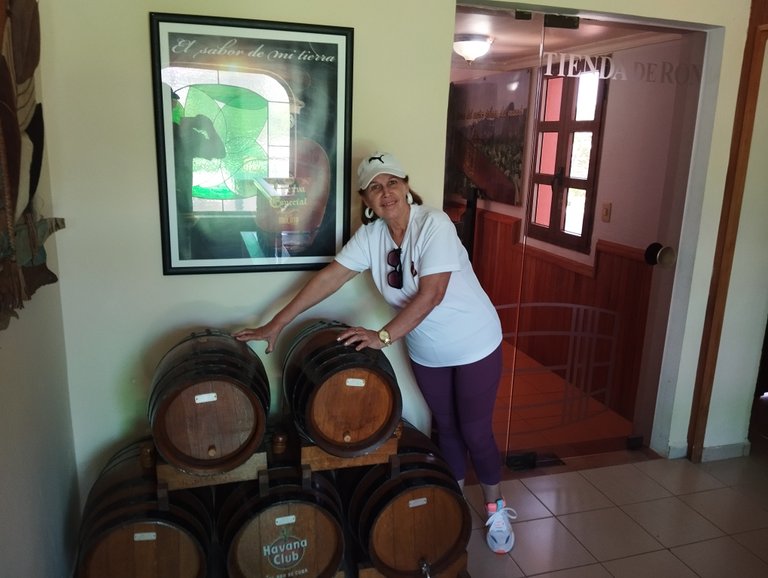
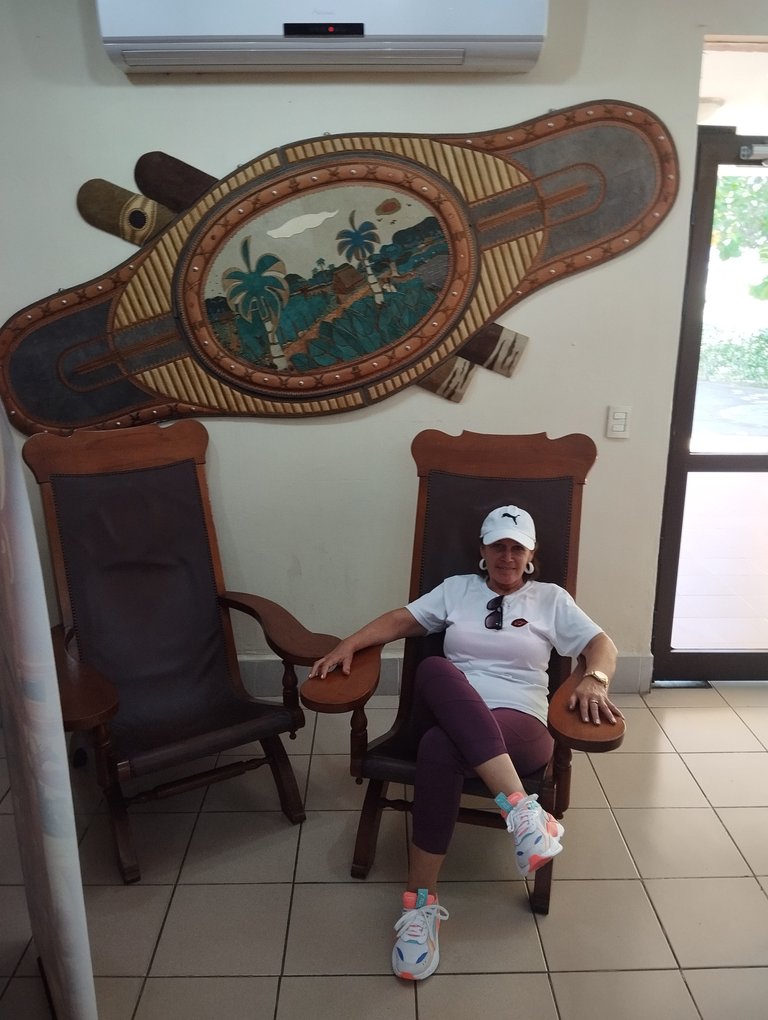
Layout: Clearly defined spaces Zoned but visually connected: sales/exhibition area (the “altar” of the cigars), rum bar, tasting area with comfortable armchairs.
Furniture: Classic or contemporary design, always in dark woods and leathers, reinforcing the feeling of solidity and timeless elegance.
Atmosphere: The prevailing aroma, a blend of cured tobacco, wood, and rum, is the intangible element that completes the architectural experience, permeating the space and making olfactory memory an integral part of the place's beauty.
Conclusion
The Casa del Habano y del Ron in Varadero is an exercise in contextual and culturally significant architecture. It achieves its beauty not through grandiose gestures, but through a sensitive synthesis between the traditional and the modern, where every design decision serves to celebrate and experience the essence of Cuban cigars and rum.
Credits: The images are my own.
I used the DeepL Translate translator.
Sending you Ecency curation votes.😉

Thanks you very much. Blessings.