
Friends of Hive Book Club who have faithfully accompanied me this 2025, I close this year of reading with a book that is not new, but whose perverse freshness has left a deep mark on me since I first read it in my adolescence. This book came into my hands as a historical curiosity, one of those scandalous novels of another time, later leaving me with a sense of vertigo and a restless admiration.
Rereading The Devil in the Flesh by Raymond Radiguet in these final days of December has been like opening a window to a winter in 1918 and suddenly feeling that the cold air coming in is more contemporary than that in my own room.

A nameless teenager has an adulterous affair with Marthe, a young woman whose husband is at the front in the First World War. A narrator who at times seems to be myself guides us through the process of seduction and the furtive encounters with Marthe.
The initial shock and scandal of this novel was that in the midst of the postwar period, when mourning and heroism were the official currency, Radiguet presented a negative, cynical hero who sees in the war conflict only an opportunity for his most mundane appetites and desires. But it would be very superficial to stop only at that, because the true scandal of this novel, and what keeps it alive a century later, is not the adultery or the betrayal.
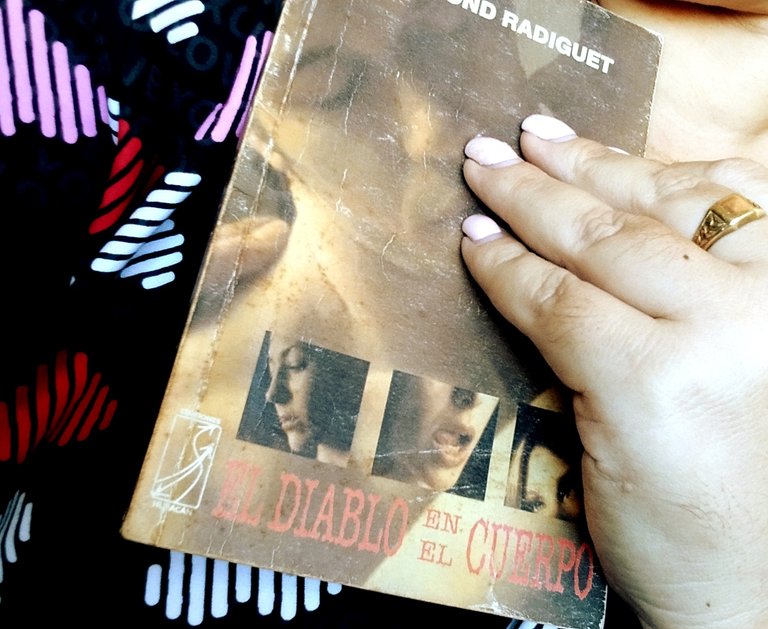
The scandal that stands out is the raw honesty of Radiguet, who wrote this at 17 and died of typhoid fever at 20. This young man possessed an understanding of human nature that debunks all romantic notions about youthful innocence. The novel at times portrays an emotional psychopath, an old child who analyzes his own feelings with the coldness of a chemist mixing poisons. His love for Marthe seems like a love for the power he exerts over her, for the pleasure of intrigue, for the aesthetic thrill of corruption.
Reading it in the first person, one becomes an accomplice to that gaze. Radiguet does not ask us to sympathize with his protagonist but forces us to understand his internal logic, which is the pure and naked logic of selfishness, and therein lies the genius of this precocious writer.

Upon closing the book, I cannot be sure that this devil in the flesh is a monstrous anomaly, but I suspect, with a shiver, that it is the amplification of something we all carry within.
The style is another of the scandalous miracles of this novel, for I expected fiery, decadent prose in keeping with the theme and found the opposite: lucid, precise, and classical writing. Short sentences stand out, polished like marble, sharp and devastating images. I could not find a single unnecessary adjective, nor a sentimental effusion, and forgive the parallel, but it is as if Stendhal had been reincarnated in a teenager with a heart of ice.
Then there is the shadow of the author, dead at 20. Reading The Devil in the Flesh knowing it was written by a boy who, at the age of our current influencers, had already produced a masterpiece, adds a layer of unbearable melancholy. Radiguet was the child prodigy of his time, something like a shooting star that burned his life with great intensity.

Closing this book, and with it my year of reading, has been a strangely cathartic experience. The truth is that it is not a pleasant novel; it does not console or edify in the traditional sense, but it illuminates, with a white and cruel light, the most uncomfortable corners of desire and selfishness. It has reminded me that great literature does not always embrace us; sometimes it subjects us to an interrogation under a bright light, leaving no room for hiding places.
A final note for this December: sometimes, the oldest and most scandalous books are the ones that have the most to say about our present. The Devil in the Flesh does not age because its theme, the corrosion of the soul through cold intelligence, is, sadly, timeless.
Until the next book!

✨ 𝑻𝒉𝒂𝒏𝒌𝒔 𝒇𝒐𝒓 𝒓𝒆𝒂𝒅𝒊𝒏𝒈! ✨
𝑰𝒇 𝒚𝒐𝒖 𝒅𝒐𝒏’𝒕 𝒌𝒏𝒐𝒘 𝒎𝒆 𝒚𝒆𝒕, 𝑰’𝒎 𝒂 𝑪𝒖𝒃𝒂𝒏 𝒏𝒆𝒖𝒓𝒐𝒍𝒐𝒈𝒊𝒔𝒕 𝒂𝒏𝒅 𝒘𝒓𝒊𝒕𝒆𝒓, 𝒂 𝒎𝒐𝒕𝒉𝒆𝒓, 𝒂 𝒘𝒐𝒎𝒂𝒏, 𝒂𝒏𝒅 𝒂 𝒅𝒓𝒆𝒂𝒎𝒆𝒓 𝒘𝒉𝒐’𝒔 𝒇𝒐𝒖𝒏𝒅 𝒊𝒏 𝑯𝒊𝒗𝒆 𝒂 𝒃𝒆𝒂𝒖𝒕𝒊𝒇𝒖𝒍 𝒔𝒑𝒂𝒄𝒆 𝒕𝒐 𝒔𝒐𝒂𝒓.
𝑨𝒍𝒍 𝒕𝒆𝒙𝒕 𝒂𝒏𝒅 𝒊𝒎𝒂𝒈𝒆𝒔 𝒂𝒓𝒆 𝒎𝒚 𝒐𝒓𝒊𝒈𝒊𝒏𝒂𝒍 𝒄𝒓𝒆𝒂𝒕𝒊𝒐𝒏𝒔, 100% 𝒉𝒖𝒎𝒂𝒏-𝒎𝒂𝒅𝒆 (𝒏𝒐 𝑨𝑰).
𝑩𝒂𝒏𝒏𝒆𝒓 𝒅𝒆𝒔𝒊𝒈𝒏𝒆𝒅 𝒃𝒚 𝑳𝒖𝒎𝒊𝒊.
𝑳𝒐𝒗𝒆𝒅 𝒕𝒉𝒊𝒔 𝒑𝒐𝒔𝒕? 𝑼𝒑𝒗𝒐𝒕𝒆, 𝒄𝒐𝒎𝒎𝒆𝒏𝒕, 𝒐𝒓 𝒓𝒆𝒃𝒍𝒐𝒈 𝒕𝒐 𝒔𝒑𝒓𝒆𝒂𝒅 𝒕𝒉𝒆 𝒘𝒊𝒏𝒈𝒔 𝒐𝒇 𝒄𝒓𝒆𝒂𝒕𝒊𝒗𝒊𝒕𝒚! 💛

VERSIÓN EN ESPAÑOL
Una novela escándalo: El diablo en el cuerpo

Amigos del Hive Book Club que me han acompañado fielmente en este 2025, cierro este año de lecturas con un libro que no es nuevo, pero cuya frescura perversa me ha dejado una huella profunda desde que lo leí por primera vez en mi adolescencia. Este libro llegó a mis manos como una curiosidad histórica, una de esas novelas escandalosas de otros tiempos, dejándome luego con una sensación de vértigo y una admiración inquieta.
Releer El diablo en el cuerpo de Raymond Radiguet en estos últimos días de diciembre ha sido como abrir una ventana a un invierno de 1918 y sentir, de repente, que el aire frío que entra es más contemporáneo que el de mi propia habitación.
Un adolescente sin nombre mantiene una relación adúltera con Marthe, una mujer joven cuyo marido está en el frente de la Primera Guerra Mundial. Un narrador que por momentos parece que soy yo misma nos guía por el proceso de seducción y los encuentros furtivos con Marthe.
El primer golpe para el escándalo de esta novela fue que en plena posguerra, cuando el duelo y el heroísmo eran moneda oficial, Radiguet presentaba a un héroe negativo, cínico, que ve en el conflicto bélico solo una oportunidad para sus apetitos y deseos más mundanos. Pero resultaría muy superficial quedarse solo en eso, pues el verdadero escándalo de esta novela, y lo que la mantiene viva un siglo después, no es el adulterio ni la traición.
El escándalo que sobresale es la honestidad descarnada de Radiguet, que escribió esto con 17 años y murió de tifus a los 20. Este joven poseía una comprensión de la naturaleza humana que desmiente toda noción romántica sobre la inocencia juvenil. La novela retrata a ratos un psicópata emocional, un niño viejo que analiza sus propios sentimientos con la frialdad de un químico que mezcla venenos. Su amor por Marthe parece un amor por el poder que ejerce sobre ella, por el placer de la intriga, por la emoción estética de corromper.
Al leerlo en primera persona, uno se convierte en cómplice de esa mirada. Radiguet no nos pide que simpaticemos con su protagonista, sino que nos obliga a entender su lógica interna, que es la lógica pura y desnuda del egoísmo, y ahí reside la genialidad de este escritor precoz.
Al cerrar el libro, no puedo asegurar que ese diablo en el cuerpo sea una anomalía monstruosa, pero sospecho, con un escalofrío, que es la amplificación de algo que todos llevamos dentro.
El estilo es otro de los milagros escandalosos de esta novela, pues esperaba una prosa fogosa, decadente, acorde con el tema, y encontré lo contrario: una escritura lúcida, precisa y clásica. Se destacan las frases cortas, pulidas como mármol, imágenes nítidas y devastadoras. No pude advertir un adjetivo de más, ni una efusión sentimental, y me disculpan los paralelismos, pero pareciera como si Stendhal hubiera reencarnado en un adolescente con el corazón de hielo.
Luego está la sombra del autor muerto a los 20 años. Leer El diablo en el cuerpo sabiendo que fue escrito por un chico que, en la edad de nuestros actuales influencers, ya había producido una obra maestra, añade una capa de melancolía irrespirable. Radiguet fue el niño prodigio de la época, algo así como una estrella fugaz que quemó su vida con mucha intensidad.
Cerrar este libro, y con él mi año de lecturas, ha sido una experiencia extrañamente catártica. Lo cierto es que no es una novela agradable, y no consuela y no edifica en el sentido tradicional, pero ilumina, con una luz blanca y cruel, los rincones más incómodos del deseo y el egoísmo. Me ha recordado que la gran literatura no siempre nos abraza; a veces nos somete a un interrogatorio bajo una luz brillante, sin dejar lugar a escondites.
Una última nota para este diciembre: a veces, los libros más viejos y escandalosos son los que tienen más que decir sobre nuestro presente. El diablo en el cuerpo no envejece porque su tema, que es la corrosión del alma a través de la inteligencia fría, es, tristemente, atemporal.
¡Hasta el próximo libro!

✨ ¡𝑮𝒓𝒂𝒄𝒊𝒂𝒔 𝒑𝒐𝒓 𝒍𝒆𝒆𝒓! ✨
𝑺𝒊 𝒂ú𝒏 𝒏𝒐 𝒎𝒆 𝒄𝒐𝒏𝒐𝒄𝒆𝒔: 𝒔𝒐𝒚 𝒏𝒆𝒖𝒓ó𝒍𝒐𝒈𝒂 𝒚 𝒆𝒔𝒄𝒓𝒊𝒕𝒐𝒓𝒂 𝒄𝒖𝒃𝒂𝒏𝒂, 𝒎𝒂𝒅𝒓𝒆, 𝒎𝒖𝒋𝒆𝒓 𝒚 𝒔𝒐ñ𝒂𝒅𝒐𝒓𝒂 𝒒𝒖𝒆 𝒆𝒏𝒄𝒐𝒏𝒕𝒓ó 𝒆𝒏 𝑯𝒊𝒗𝒆 𝒖𝒏 𝒉𝒆𝒓𝒎𝒐𝒔𝒐 𝒆𝒔𝒑𝒂𝒄𝒊𝒐 𝒑𝒂𝒓𝒂 𝒗𝒐𝒍𝒂𝒓.
𝑬𝒍 𝒕𝒆𝒙𝒕𝒐 𝒚 𝒍𝒂𝒔 𝒊𝒎á𝒈𝒆𝒏𝒆𝒔 𝒔𝒐𝒏 𝒅𝒆 𝒎𝒊 𝒂𝒖𝒕𝒐𝒓í𝒂, 100% 𝒉𝒖𝒎𝒂𝒏𝒐𝒔 (𝒔𝒊𝒏 𝑰𝑨).
𝑩𝒂𝒏𝒏𝒆𝒓 𝒅𝒊𝒔𝒆ñ𝒂𝒅𝒐 𝒑𝒐𝒓 𝑳𝒖𝒎𝒊𝒊.
¿𝑻𝒆 𝒈𝒖𝒔𝒕ó 𝒆𝒔𝒕𝒂 𝒑𝒖𝒃𝒍𝒊𝒄𝒂𝒄𝒊ó𝒏? 𝑽𝒐𝒕𝒂, 𝒄𝒐𝒎𝒆𝒏𝒕𝒂 𝒐 𝒓𝒆𝒃𝒍𝒐𝒈𝒖𝒆𝒂 𝒑𝒂𝒓𝒂 𝒂𝒚𝒖𝒅𝒂𝒓 𝒂 𝒅𝒆𝒔𝒑𝒍𝒆𝒈𝒂𝒓 𝒆𝒔𝒕𝒂𝒔 𝒂𝒍𝒂𝒔. 💛