Usually the topics that I develop in my publications are related to some cases that I usually see in daily practice, or by the fact that someone consults me via telephone to request some kind of guidance, and as far as possible I try to support.
Recently someone asked me about "Polycystic Ovary Syndrome", and I guided him, but I must admit that there are diseases of the female genital system that does not handle well, basically because it is not my area of attention, so I saw the need to do some review regarding this syndrome, so today I would like to share information about it.
If you want to know a little more about this disease, I invite you to continue reading, which could surely serve to guide people close to you, so what I am about to tell you will surely interest you.

Let's start by understanding what the kidneys are and what their functions are.
The ovaries are an important part of the female reproductive system. They are two small glands located in the abdomen, one on each side of the uterus.
The ovaries produce eggs, which are the female sex cells. Eggs are released from the ovaries during the process known as ovulation, and can be fertilized by a sperm during intercourse.
The ovaries also produce female sex hormones, such as estrogen and progesterone, which are important for the development and maintenance of female secondary sex characteristics and for the regulation of the menstrual cycle.

Now let's define what Polycystic Ovarian Syndrome is.
Polycystic ovary syndrome (PCOS) is a hormonal disorder that affects about 5-10% of women of reproductive age. It is characterized by the presence of multiple ovarian cysts, as well as changes in hormone levels and menstrual cycle, among other symptoms.
PCOS is due to an imbalance in the body's production of hormones. In particular, more androgens (male sex hormones) and less estrogen are produced. This can lead to symptoms such as menstrual irregularities, increased body fat, acne and fertility problems, and more, which I will be describing shortly.

All this is presented in various ways, especially considering that it has an impact not only locally but throughout the body through the hormones it produces, the most common symptoms are the following:
- Weight gain and difficulty in losing weight.
- Fertility problems and difficulty in getting pregnant.
- Tiredness and fatigue.
- Anxiety and depression.
As I said before: this disease is characterized by an imbalance in hormone production, with a higher amount of androgens and a lower amount of estrogen. This explains the following symptomatology:
- Increased body hair, especially on the face, chest and back. This is a consequence of the excess of androgens (male sex hormones) in the body.
- Oily skin and acne.
- Menstrual irregularities, such as very long or very short cycles, or lack of menstruation. This is because there is a lack of control in the hormonal secretion by the ovaries.
It is important to note that not all women with polycystic ovary syndrome will experience all of these symptoms, and the severity of the symptoms may vary. This is when I must say, if you are a woman or if as a man you recognize any or several of these symptoms in a woman it is important to recommend that you see a doctor for proper diagnosis and treatment.
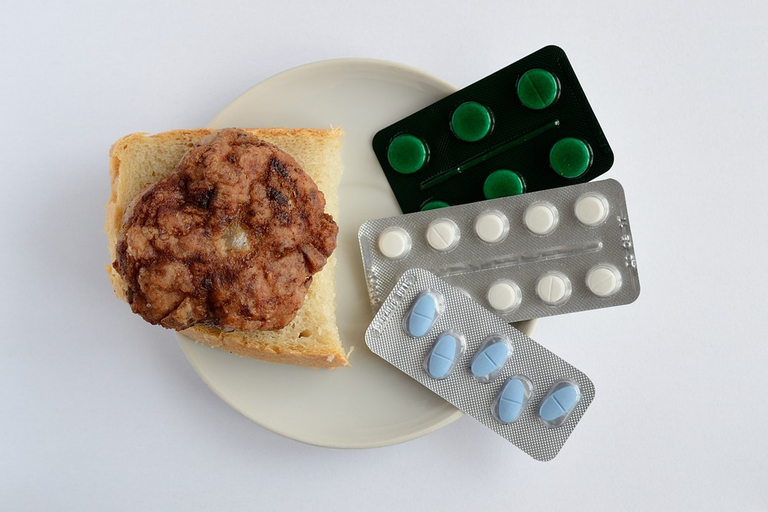
It is important to keep in mind that polycystic ovary syndrome cannot be cured, but symptoms can be controlled with medical treatments and lifestyle changes. Treatment may include medications to regulate hormone levels and to control symptoms, as well as diet and lifestyle changes to improve insulin resistance and lose weight, the latter of which is very common in women with this condition.
It is necessary to take into account that it can affect a woman's fertility and make pregnancy difficult. If a woman or her partner wishes to have children, it is important to talk to her doctor about this so that she can discuss treatment options and how they may affect her ability to become pregnant. Some women may need fertility treatments to conceive.
Although many studies have been done on polycystic ovary syndrome, the exact cause of the disorder remains unknown. It is known to be caused by an imbalance in the body's production of hormones, with a higher amount of androgens (male sex hormones) and a lower amount of estrogen, but why this imbalance occurs is unclear.
Some risk factors have been identified that may contribute to its development, such as being overweight, insulin resistance and certain metabolic disorders. It may also be hereditary, i.e. being more common in certain families. Although the exact cause is not known, it is treatable and symptoms can be controlled with medical treatments and lifestyle changes.
It is not easy to treat, specialists in various areas such as gynecology, internist and endocrinologist must be integrated in order to stabilize the patient chemically.
It takes time, in general they can say that they can achieve a remarkable improvement after 6-8 months, according to what I have seen, and that is if they comply with the indicated treatment and additionally make the necessary changes in their lifestyle.
I hope this information has been clear to you, and that from this post you will have new knowledge. If you have anything to add, leave it in the comments and we will all benefit from it.

Congratulations @apineda! You have completed the following achievement on the Hive blockchain And have been rewarded with New badge(s)
Your next target is to reach 600 comments.
You can view your badges on your board and compare yourself to others in the Ranking
If you no longer want to receive notifications, reply to this comment with the word
STOPTo support your work, I also upvoted your post!
Check out our last posts:
Support the HiveBuzz project. Vote for our proposal!
Thanks for sharing information about this condition, which is very common and, indeed, becoming more prevalent! 😊
There's a study supporting the link between weight changes and hormone levels. Indeed, losing weight may help curb the high levels of testosterone in women with PCOS, as well as regulate normal menstrual cycles, which itself further helps with weight. There are positive and negative feedback loops involved which make the process of control more difficult when treatment is initiated.
I hadn't had much time to read that study you left me, thanks for that @freecompliments
Everything is logical, generally when there is overweight, it is not a constant, but if it usually happens, lipid levels (cholesterol, triglycérdios) are also in greater quantity. Considering that the basis of most hormones is cholesterol, we can find high levels of these, and when the weight drops, also the amount of cholesterol available, and at the same time the hormones must decrease in quantity.
Thanks for this explanation - it can be complicated by feedback loops but the overall effect still makes perfect sense. 😊
One interesting phenomenon may occur with rapid weight loss; during which time the the release of lipids from fat-containing cells may cause a transient rise of lipid levels within the bloodstream. Here's one of a few studies affirming this phenomenon. The outcomes of this transient hyperlipidemia could have transient negative effects, but in the long term should result in improvement of excess hormone-related symptoms.
How are you brother? 😍Polycystic Ovarian Syndrome (PCOS) is a common hormonal disorder that affects women of reproductive age.
yes, it is very common disease.
Thanks for your contribution to the STEMsocial community. Feel free to join us on discord to get to know the rest of us!
Please consider delegating to the @stemsocial account (85% of the curation rewards are returned).
You may also include @stemsocial as a beneficiary of the rewards of this post to get a stronger support.
I am always attentive to place the beneficiary to support the community, but I forgot it this time. Thanks for the support.
That is a condition that often helps, know lots of women that suffer from that. Despite that it is correct what you mentioned that it can affect fertility, I know some women who after being diagnosed they mistakenly supposed that they weren't fertile! So they started to abandon anti-birth methods! Some of them got pregnant lol
!1UP
Indeed, it can happen. I also know some women who have gone through the same thing, as they had very little or almost no chance of getting pregnant and suddenly.... Surprise, a baby on the way.
You have received a 1UP from @gwajnberg!
@stem-curator, @vyb-curator, @pob-curator, @neoxag-curator, @pal-curator
And they will bring !PIZZA 🍕.
Learn more about our delegation service to earn daily rewards. Join the Cartel on Discord.