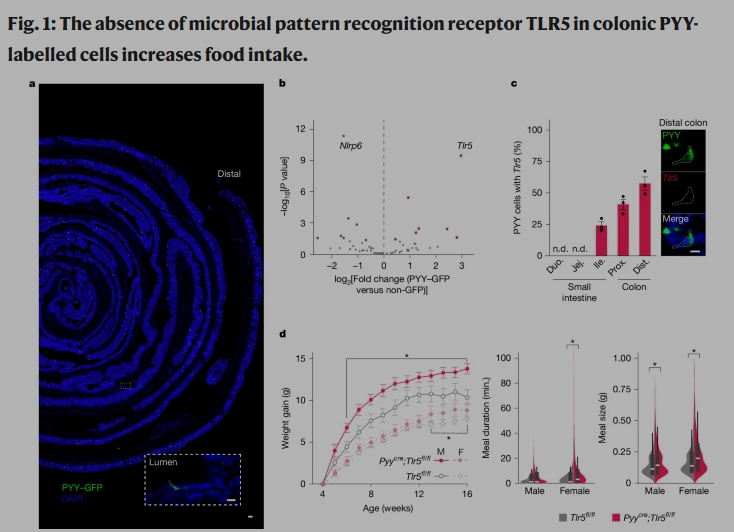
Figure 1. Gut–brain signalling pathway detecting bacterial flagellin via TLR5. Source: Thaiss et al., 2025, Nature.
Scientists discovered that our gut system possesses the ability to detect bacterial signals inside our body which enables it to regulate our food consumption. Scientists identified particular cells within the colon which possess the ability to detect bacterial flagellin. The detection of flagellin by these cells leads to the release of peptide YY (PYY) hormone which communicates through the vagus nerve to inform the brain that we have reached fullness and should stop eating.
The process operates independently of immune system activation and metabolic changes and functions without needing other gut bacteria present. Mice who lacked this ability consumed more food which resulted in additional weight gain, thus demonstrating the essential role of this gut-to-brain signal in appetite control and weight management.
The gut has a special mechanism to detect bacteria and communicate to the brain to determine when to stop eating to maintain balance in our body.
Reference:
Thaiss, C. A., Croft, L. R., Kushnir, M., et al. (2025). A gut sense for a microbial pattern regulates feeding. Nature. https://www.nature.com/articles/s41586-025-09301-7
This post has been shared on Reddit by @theworldaroundme through the HivePosh initiative.
That's been known since the 1990s. The enteric nervous system (the one in the gut) is the primal brain. You can detect the markers for Alzheimers and Parkinsons in the gut 10 years before symptoms start occuring in the brain. The biome (the gut bacteria) forms part of an bodily ecosystem without which our immune systems freak. That's why doctors are reluctant to prescribe antibiotics nowadays.