The first synthetic brain


You imagine a future when a piece of completely synthetic matter begins to behave like real brain tissue, it looks like a movie scene and this has been achieved in a laboratory at the University of California, where a team of scientistscreated the first functional model of tissue similar to the biological brain and this occurred without using any material of animal origin, no biological coatings, no cells supported by natural proteins.
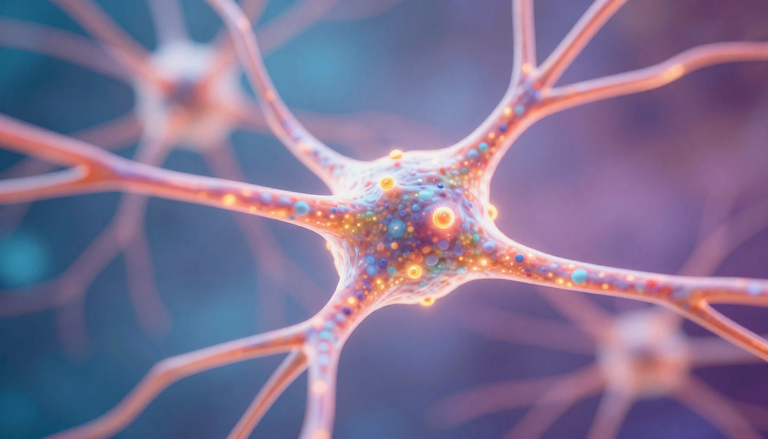
The decisive moment occurs when the liquid mixture PG, ethanol and water runs through tiny tubes and encounters a flow of water separator, in fractions of a second the ingredients are reorganized, a flash of light freezes that molecular dance, creating the architecture that feeds the cells with oxygen and nutrients deeply, there inside, those cells begin to organize themselves into agglomerates that remember initial brain structures, communicating with each other as they recognize the logic of the new environment.
Thanks for your contribution to the STEMsocial community. Feel free to join us on discord to get to know the rest of us!
Please consider delegating to the @stemsocial account (85% of the curation rewards are returned).
Consider setting @stemsocial as a beneficiary of this post's rewards if you would like to support the community and contribute to its mission of promoting science and education on Hive.
A synthetic brain capable of revealing a disorder in a one’s system??
That is very impressive and takes health care to the next level