A local investment expert did an analysis of the Spur Burger which is a local family steak house in South Africa. Most families growing up in South Africa would have at least visited this establishment at one time. We used to as it used to be affordable especially when catering for families.

The analysis went back as far as 40 years and what is quite incredible is how much the burger has increased in price over that time frame. The price has risen at an average of 9.2% per annum which is roughly 2% per annum above the consumer price index which measures the average change in prices on a basket of consumer goods over time. If this was an investment earning 9.2% per annum without fail you would be happy.
Back in 1985 a basic original Spur burger would have cost R3.35 and today a some what reduced in size burger that does not resemble the same burger in 1985 costs R119.90. Knowing what the burgers were and are now I would add another 50% for the reduction in size having moved from 150g down to 100g. When you look at the time frame and how much everything has gone up that is now built into this cost it is a wonder how is it actually not more expensive. The 9.2% per year increase in reality is actually below the cost of living increases no matter what government agencies are telling you otherwise.
Consumers for some reason expect prices to rise each year and a 9.2% increase is a small enough increase to get away with. The problem is what was once an affordable family meal out is no longer. On the menu these days you will find a 500g T-Bone steak which will be priced at R360. The same steak at a butcher will be priced around R90 and they do not have the same buying power as a large restaurant group. This for some reason is out of sync with the burger price even though if you had to make a burger of this weight and size you could easily make it for 10% of the selling price. The extra costs are the killer and it is not the burger, but the entire package that is the problem.

The problem is it is easy to point finger at restaurants increasing prices over and above what it expected ,but there are other factors to consider. Electricity has risen by 5240% since 1985 which is a key running cost for any business. Beef prices back in 1985 were around R7 per kilogram and today it fluctuates depending on where you shop between R160 and R200. Another factor is these restaurants are retail rentals so they would expect to see an increase of between 6 and 10% per annum. Salaries are no longer cheap and back prior to 1994 there was no real minimum wage and today these are in place so the business expenses have sky rocketed over the last 40 years.
The more you look into the prices you start to wonder how these businesses even make a profit because a 9.2% increase per annum actually seems reasonable. Scary to think what things will cost in another 20 years from now and how much everyone will need to be earning to make ends meet.
It seems every time you visit the shops the prices have risen slightly and the new prices when marked on special were the price you remembered and somehow this justifies these inflated prices. Milk this year is already up an extra 12 percent and this was kind of expected as the shelf prices have been highlighting this price even though that item according to the retail outlet was on special. This is like a warning of what the price is going to become and it does take time to adjust.
When I start to think of how much one needs to earn to stay ahead if you are not increasing your incomings by 15% you are at risk of falling behind. Very few today are beating inflation and we need to find other income streams to supplement the difference.
Posted Using INLEO
I remember back when you could get the two cheeseburger meal at McDonalds for something like $2.99. Now it's closer to $7 or something like that. It is absolutely ridiculous.
You mean this meal:

Ridiculous! That's my go to meal when I want more carbs. Sometimes my wife and I share that meal. Other times I get the QPC.
Well, with Washington state minimum wage being $17.13 per hour it is hard to expect this meal to be any cheaper...
Local jurisdictions such as Seattle ($21.30), Tukwila ($21.65), Renton ($21.57), and unincorporated King County have higher minimum wages than the state rate.
Most IT people in Seattle area earn $100+ per hour...
I charge $100 per hour when I do outside consulting, but that is pretty rare, so I can't really count on that.
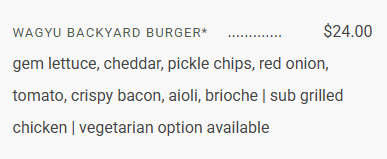
I am used to burgers priced at over $20, for example one of our local restaurants we often frequent has this burger on their lunch menu: